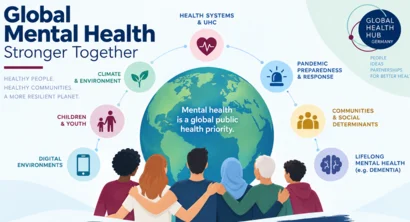
The social dimension of pandemics: A Simulation Exercise on integrating MHPSS into Disease Outbreak Response
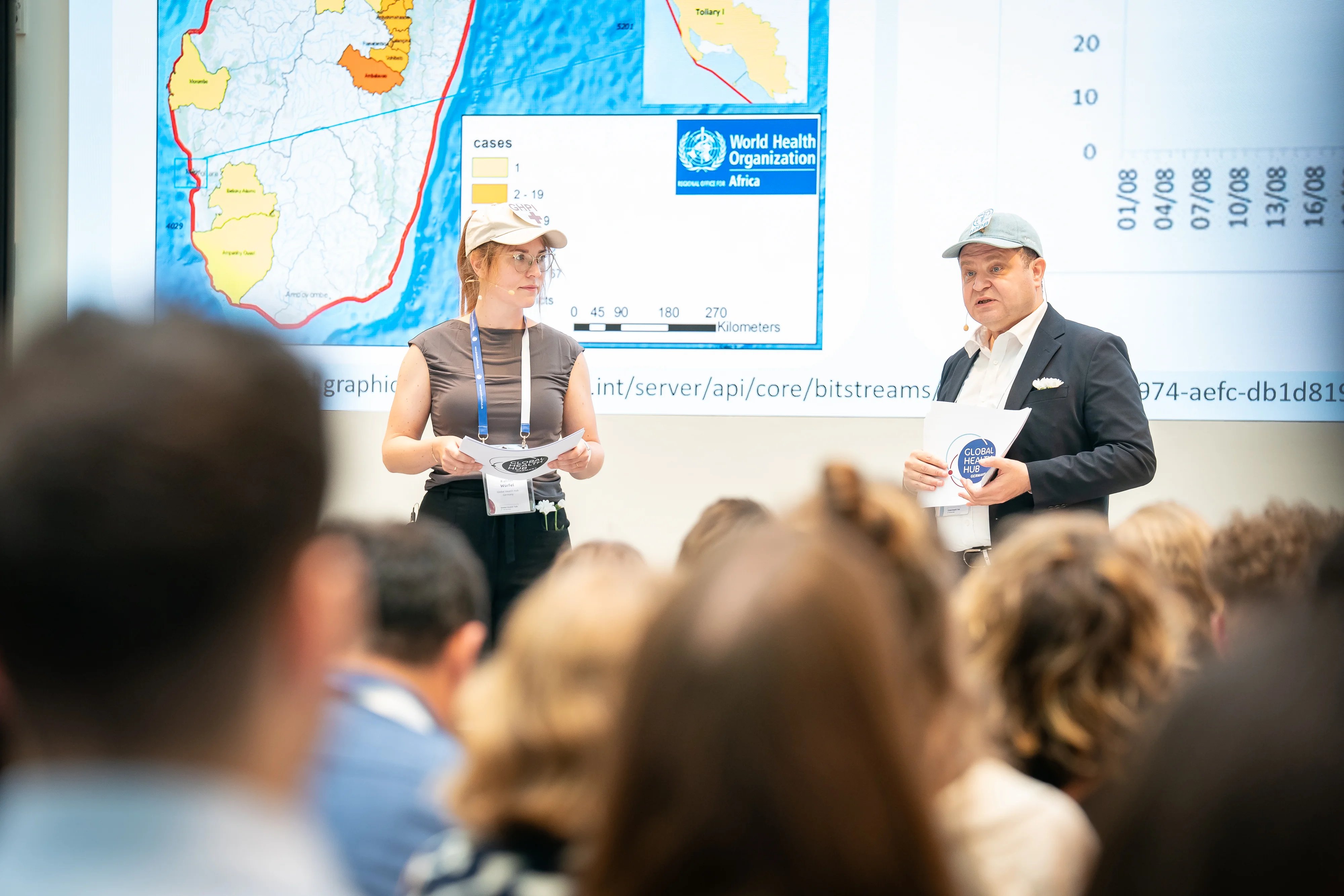
What happens when measures designed to contain an outbreak unintentionally deepen fear, isolation or mistrust? “Critical Choices – Beyond the Pathogen” takes participants on a time-travel journey exploring the importance of mental health, psychosocial wellbeing and trust in institutions in outbreak preparedness and response.
An infectious disease outbreak is never only a biomedical crisis. Fear, isolation, stigma and mistrust can shape outbreaks, determining whether people seek care, follow public health measures or support one another. However, these human and social dimensions are still too often an afterthought in preparedness plans or outbreak responses. What changes when decisionmakers are confronted with them directly?
The human element to pandemic preparedness and response
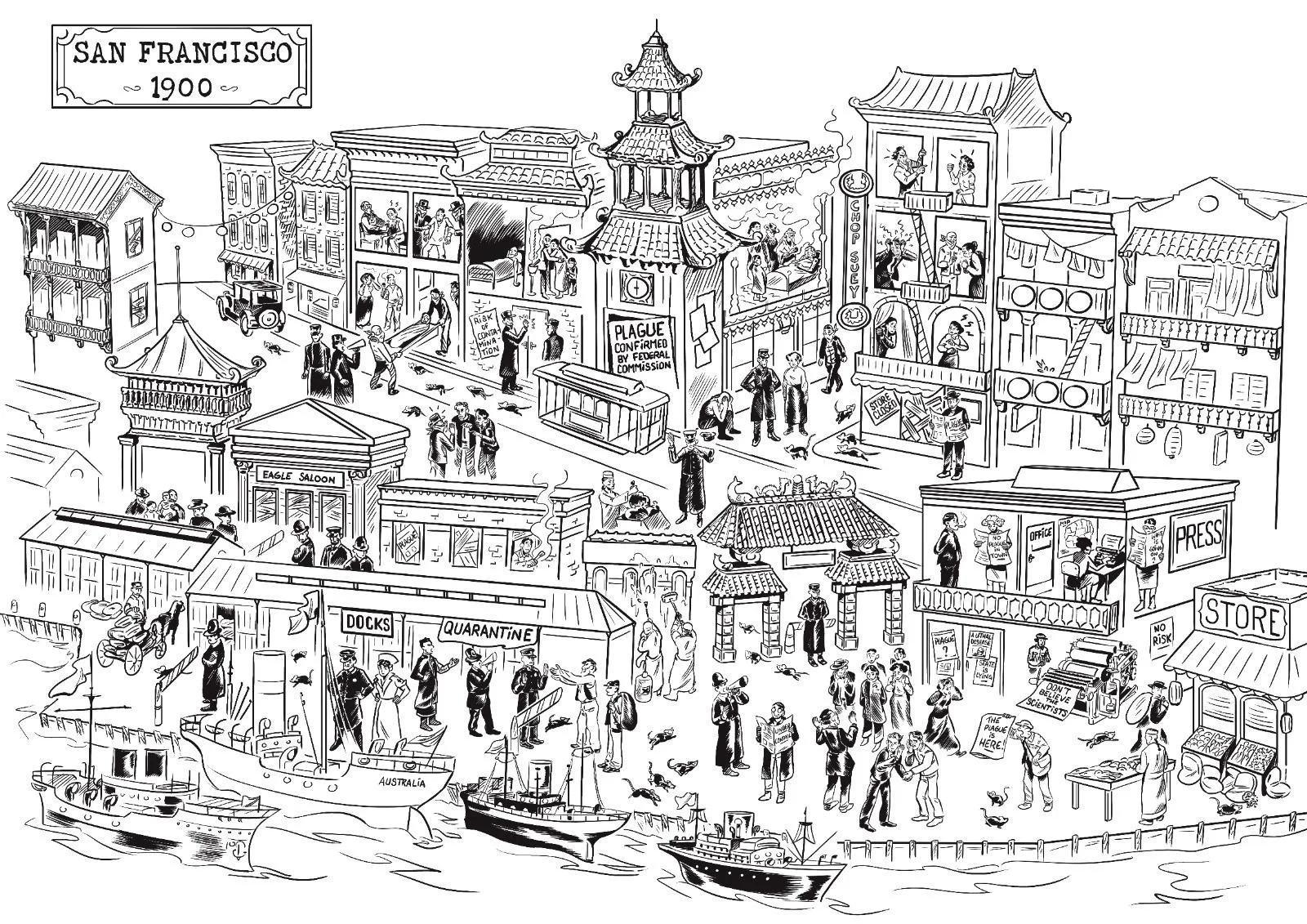
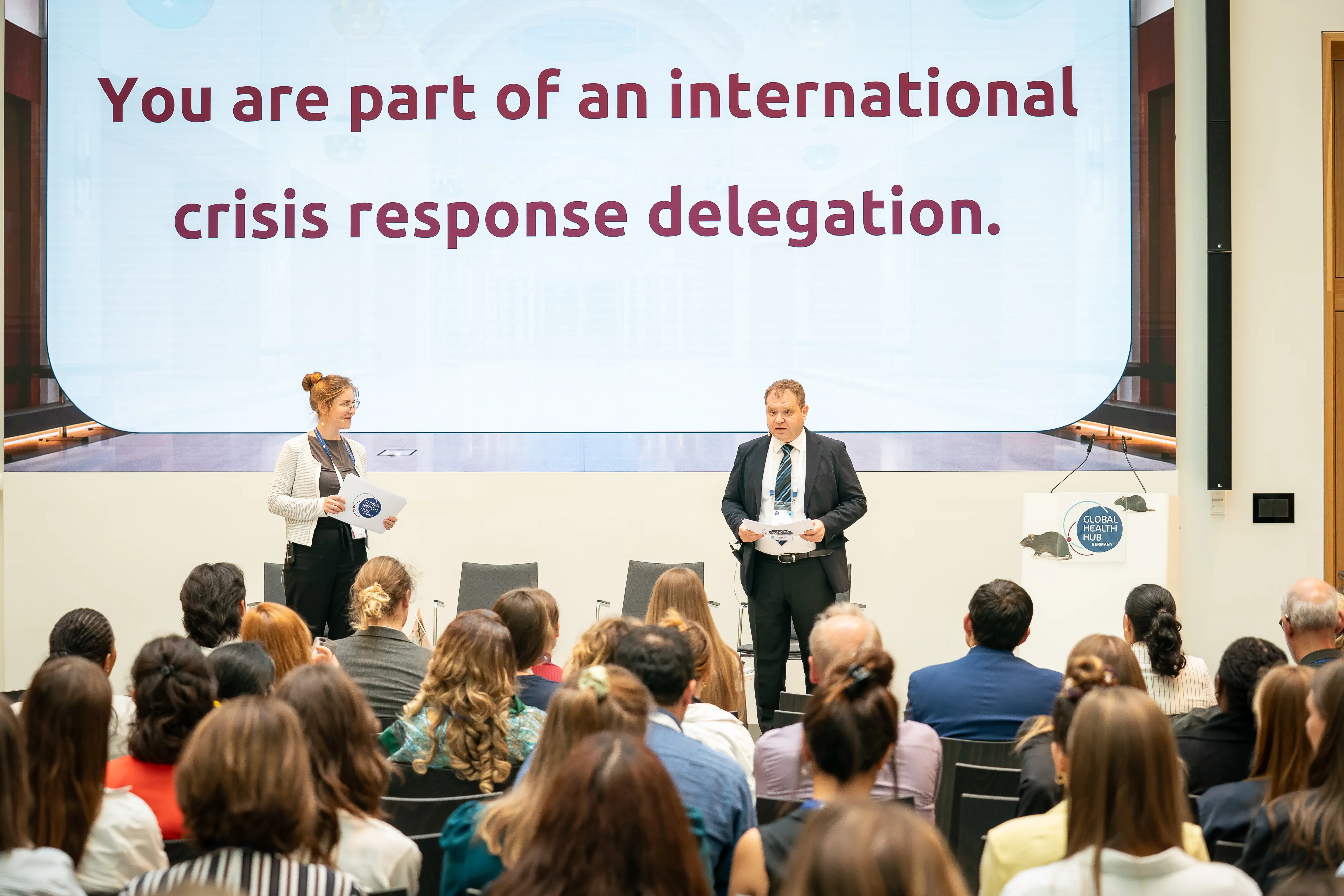
At this year’s Global Health Talk, participants travelled through time as members of a time-traveling international crisis response delegation. Their journey brought them to settings shaped by severe plage-outbreaks: 14th-century Lübeck, San Franciso and Hong Kong at the turn of the 20th century as well as Madagascar in 2017. Under time pressure, participants were asked to make serious decisions. Their choices affected more than outbreak control itself, they impacted public trust, mental wellbeing, stigma and social cohesion.
Feeling intrigued to host a simulation exercise yourself?
If this interactive tabletop simulation exercise sounds like something you would like to conduct yourself in an educational or non-commercial setting, a version of the simulation exercise is available upon request as an open-source ressource. Please contact the Global Health Hub Germany via info(at)globalhealthhub.de if you are interested.
This simulation exercise was co-developed by the Global Health Hub Germany (GHHG) and the Department of Noncommunicable Diseases and Mental Health World Health Organization (WHO).
Why the social dimension matters
Pandemics and health emergencies not only take a toll on the physical health of those affected but also on their mental health and social wellbeing. People may fear contracting the disease themselves or experience isolation when physical contact with other households is restricted to control the outbreak. In addition, they may struggle with the uncertainty of the entire situation, for example created by loss of income, school closures or disruptions to everyday life. Moreover, the stigmatisation and mistrust pandemics can sow within communities may have severe consequences for mental health and social cohesion. This burden affects everyone: infected individuals, health care providers (especially those involved in the pandemic emergency response), and the wider community, although some groups might be more vulnerable than others. Additionally, mental health services might also be disrupted during the emergency, precisely, when the need for support increases. Therefore, it is of the utmost importance that the human dimension of mental health and psychosocial wellbeing is not being neglected in pandemic preparedness and response [1,2].
What integrating MHPSS means in practice
Integrating mental health and psychosocial support (MHPSS) in pandemic prevention, preparedness and response (PPPR) not only means ensuring that effective support systems are in place before emergencies transpire [3]. It also requires developing response mechanisms that provide timely and quality support to people affected during and after the emergency [4]. Practical examples include community self-help, psychological first aid, the continuation of essential mental health services and clear referral pathways for people who require additional care.
These considerations formed the starting point for the development of “Critical Choices – Beyond the Pathogen”.
Developing the simulation exercise
The interactive tabletop simulation exercise “Critical Choices - Beyond the Pathogen: The Social Dimension of Pandemics” was jointly developed by the Global Health Hub Germany (GHHG) and the Department of Noncommunicable Diseases and Mental Health, World Health Organization (WHO). It considers the human side of disease outbreaks and focuses on the integration of MHPSS into decision-making.
As a discussion-based methodology, a tabletop exercise simulates “an emergency situation in an informal, stress-free environment“ [5, p. 16]. Such simulation exercises are intended to encourage discussion amongst the participants, help identify and resolve problems together as well as familiarise the participants with the topic at hand. They allow for rehearsing crisis situations, testing emergency strategies in safe contexts and thus optimizing emergency responses and strengthen readiness to manage health emergencies [5, 6].“Critical Choices – Beyond the Pathogen” combines a traditional tabletop simulation exercise with interactive elements.
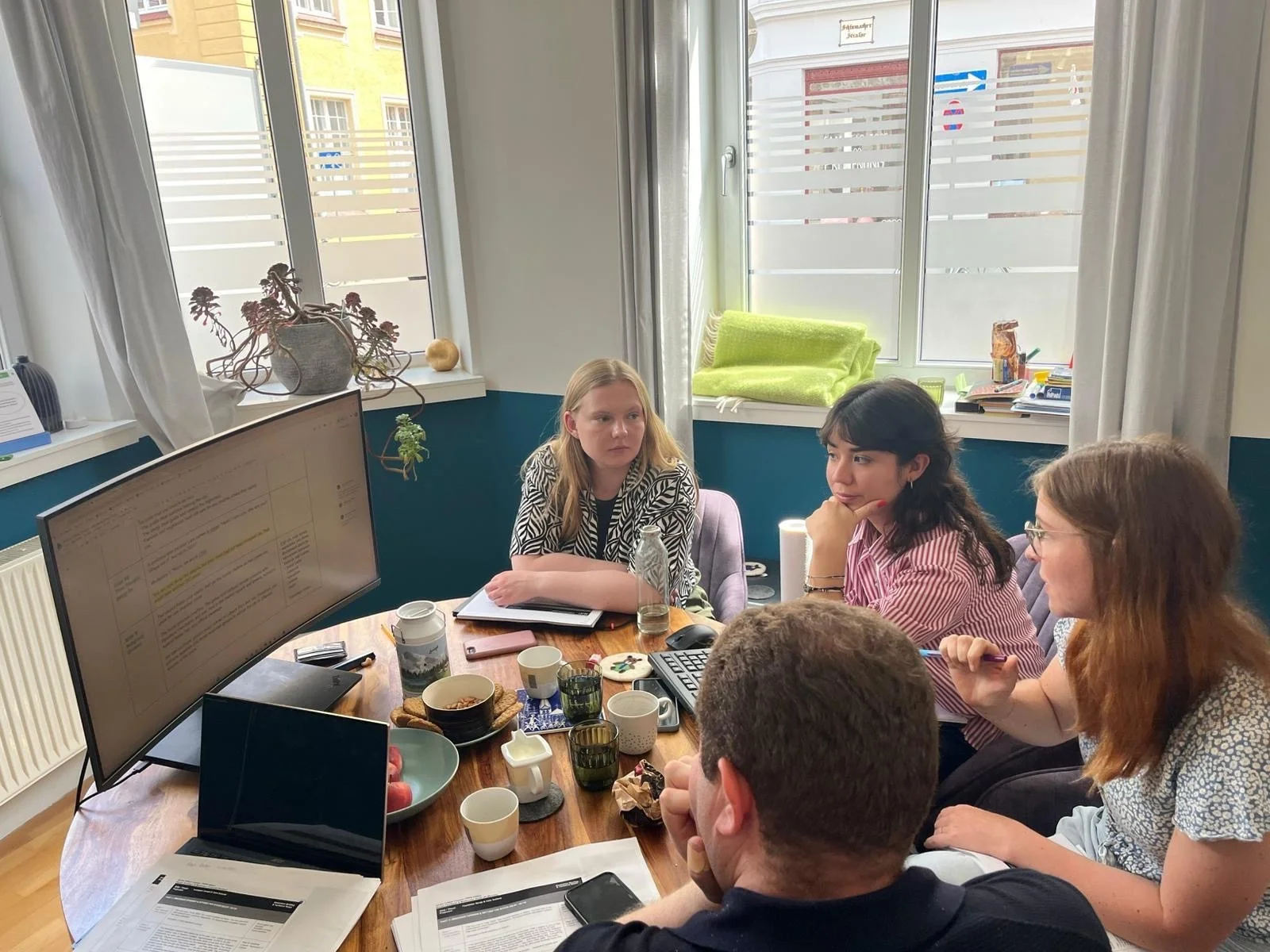
The “Critical Choices – Beyond the Pathogen” exercise was developed over a six-month period in an iterative and collaborative process. The team of GHHG and WHO members started with extensive background research into the history of plague outbreaks across centuries. Building on this historical evidence along with real-life stories and examples, the settings were chosen, the scenarios refined and questions developed, ultimately covering several dimensions of mental health and psychosocial wellbeing within pandemic emergencies: trust, communication, mental wellbeing and social cohesion. To further bring the story to life, graphic designers were tasked to illustrate the historic sceneries. In the final stages, the whole team met up in Lübeck, not only one of the simulations destinations but also one of the German cities hit especially hard by the plague, for an in-person workshop to explore the city’s medieval history and finishing touches for the 60-minute exercise.
After its premiere at the Global Health Talk 2026 the exercise was subsequently refined and made available as an open-source resource. In October 2026, this new version was presented both at the annual event of the GHHG’s partner network the Global Health Hub - The Netherlands and alongside the World Health Summit 2026 in Berlin. The picture carousel below showcases some impressions throughout the both the development process and the implementation.
Sources
World Health Organization (n.d.). Mental health and public health emergencies. https://www.who.int/teams/mental-health-and-substance-use/Mental-health-and-public-health-emergencies
World Health Organization (2025). Mental health in emergencies. https://www.who.int/news-room/fact-sheets/detail/mental-health-in-emergencies
World Health Organization (n.d.). Preparedness. https://www.who.int/teams/mental-health-and-substance-use/emergencies/preparedness
World Health Organization (n.d.). Response. https://www.who.int/teams/mental-health-and-substance-use/emergencies/response
World Health Organization. (2017). WHO Simulation Exercise Manual. https://iris.who.int/server/api/core/bitstreams/b7f2aa99-15c1-4e95-a0d6-c1006db0493f/content
World Health Organization (n.d.). Simulation Exercises. https://www.who.int/emergencies/operations/simulation-exercises
Related Articles