Global Health Talk 2026 – Building bridges for trust, cooperation, and governance
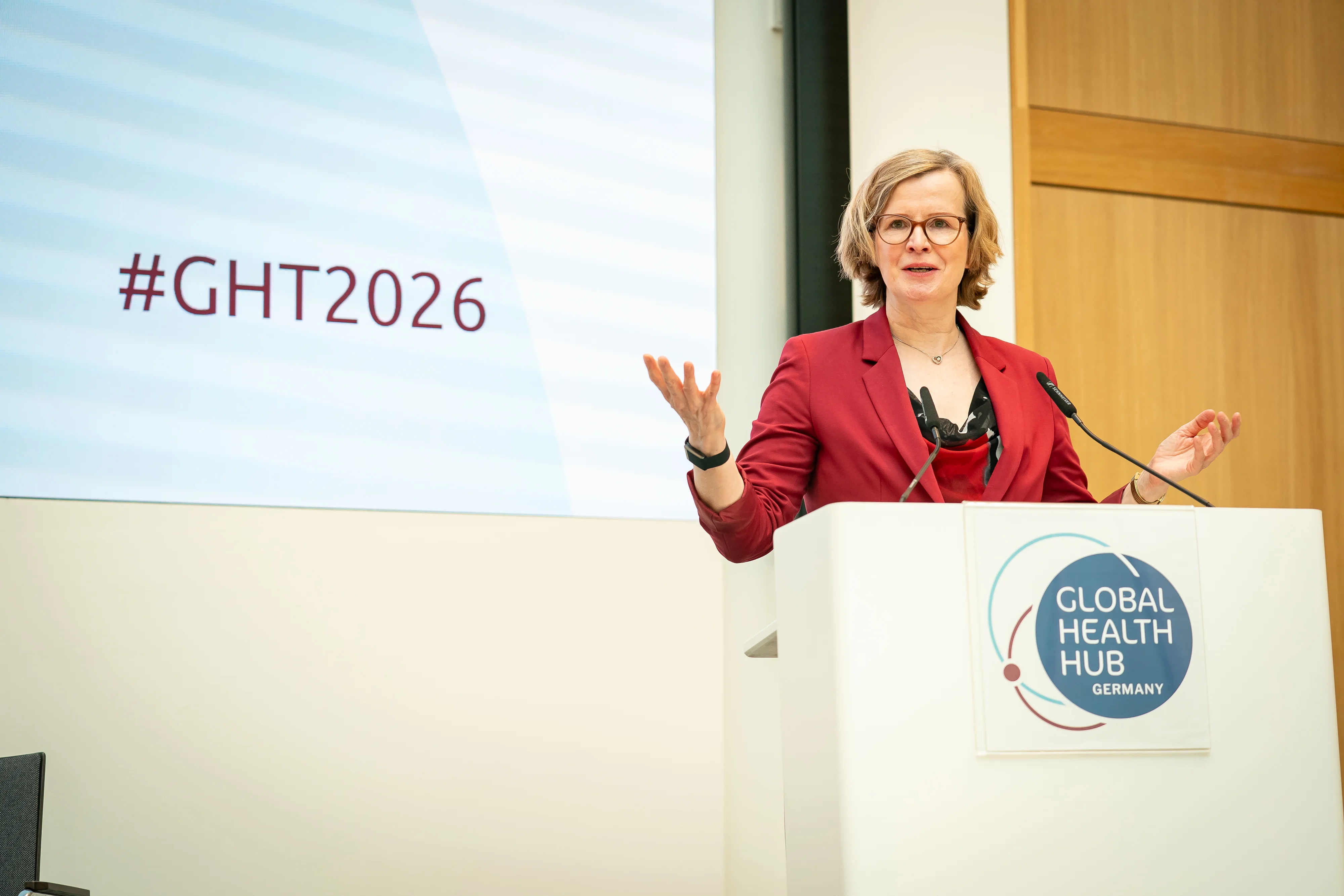
![[Translate to English:] ©GIZ/Thomas Ecke](/fileadmin/_processed_/b/a/csm_005_GlobalHealthTalk_070726_Photo_ThomasEcke_0074_54972deec7.webp "GIZ/Thomas Ecke")
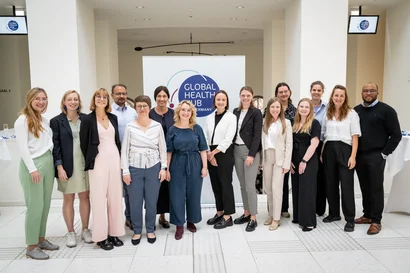
At this year’s GHT we discussed gender norms, Germany’s leadership role, the social dimension of Pandemic Preparedness and AI in global health.
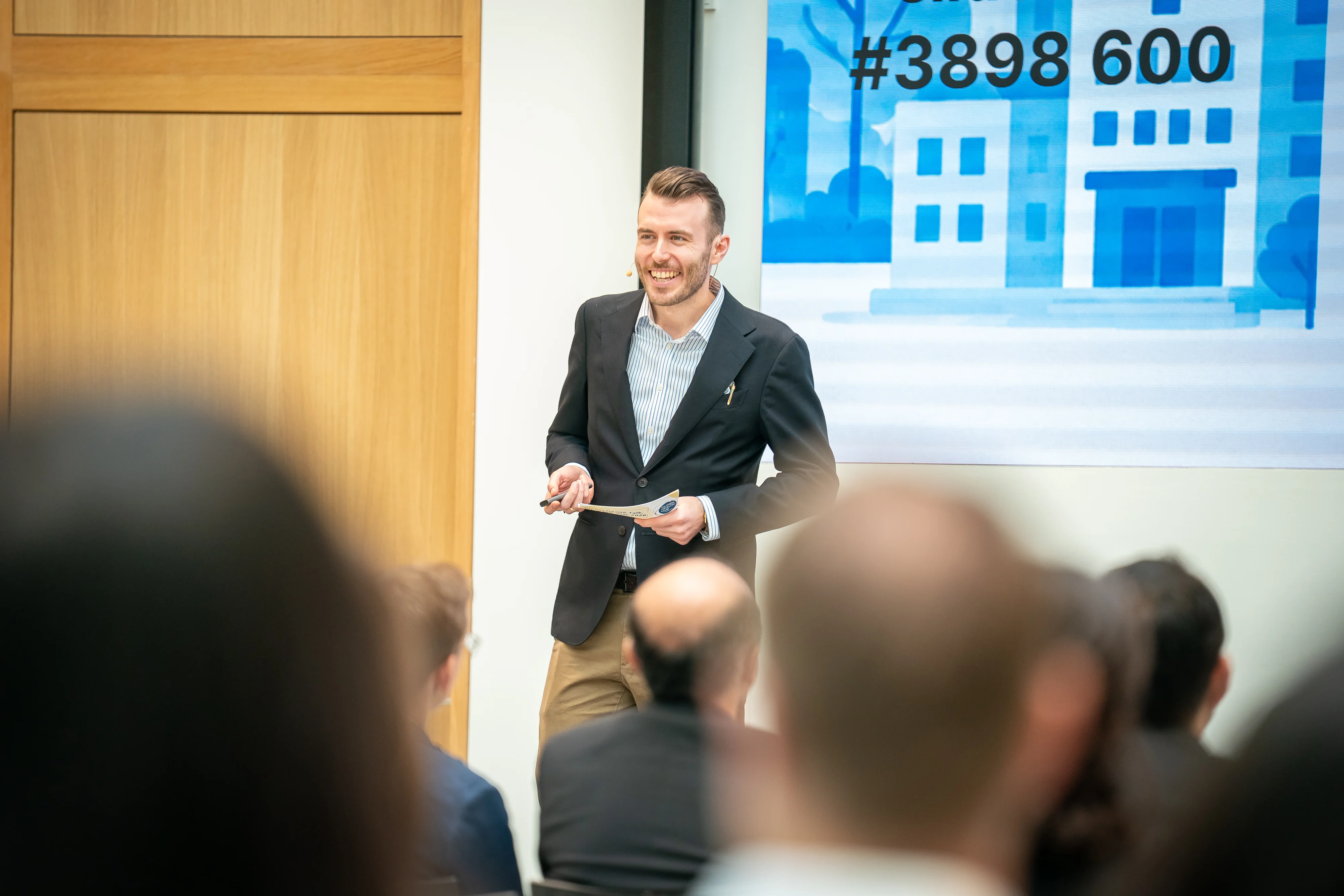
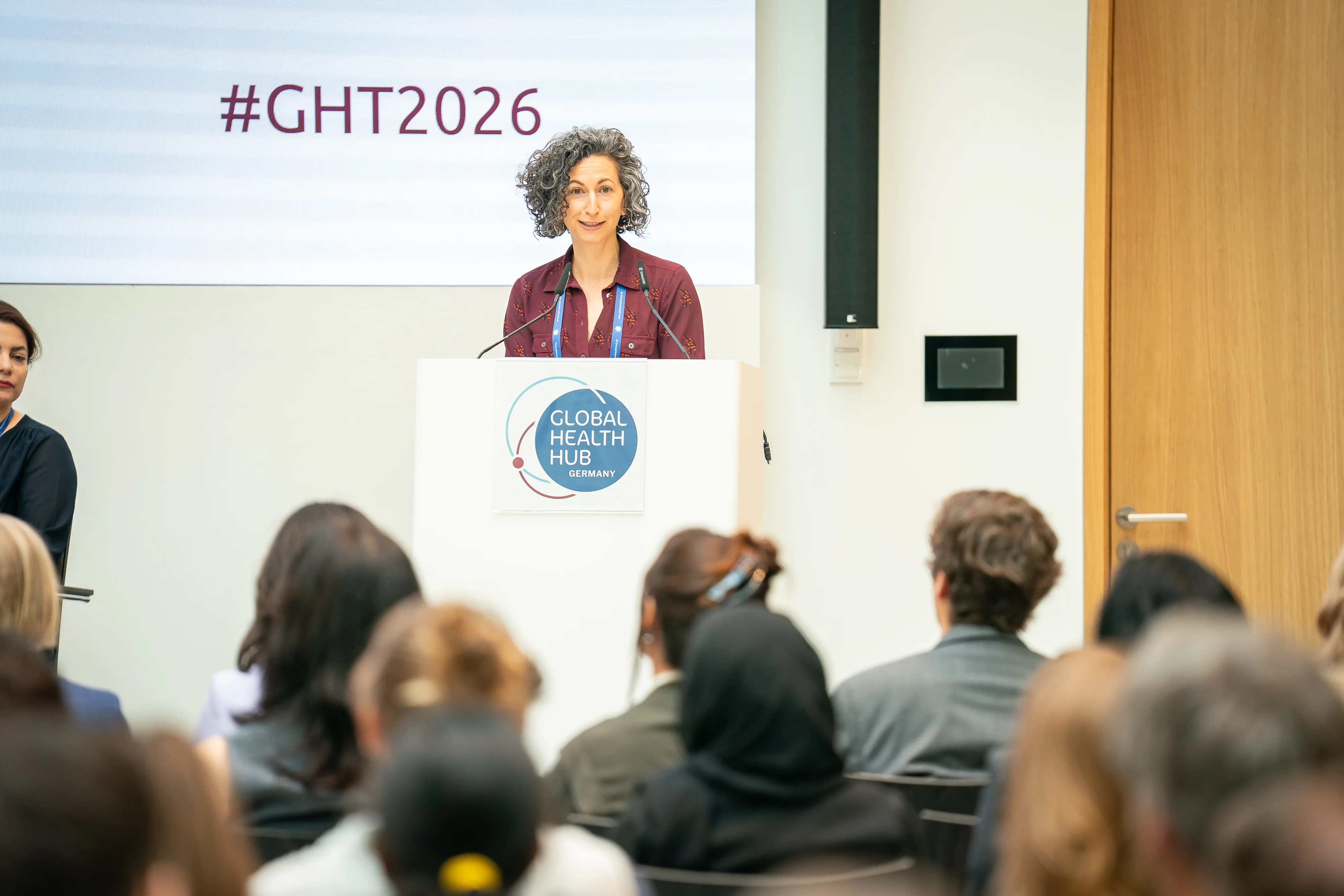
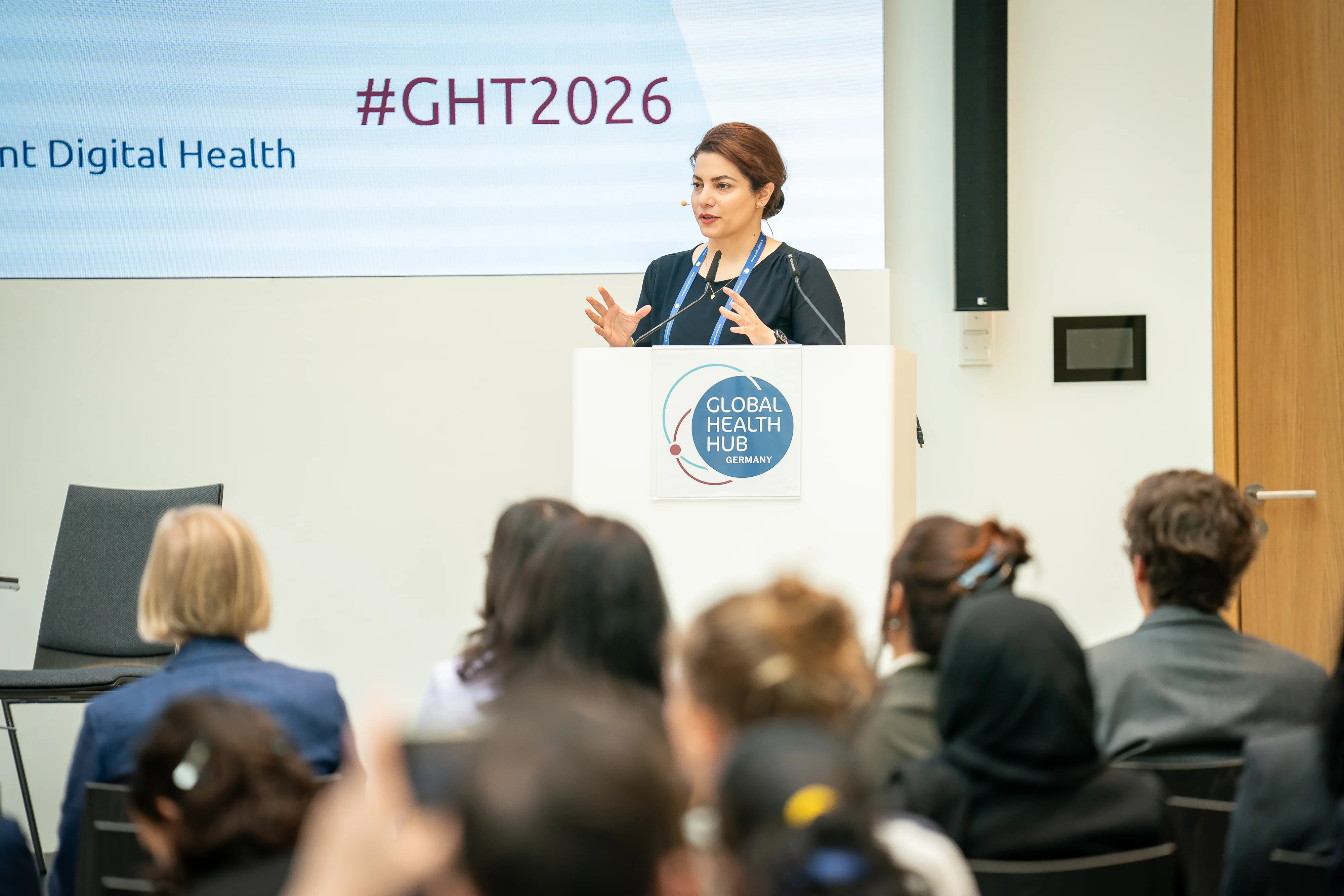
From 7 to 8 July the global health community came together in Berlin for our 7th edition of the Global Health Talk. The global health landscape is changing with a new geopolitical order and financial challenges. We thus focused this year on Germany’s role in global health with an interactive future lab over the two days. Furthermore, we discussed how gender norms shape health systems and outcomes and the potential and risks of AI in global health and mental Health among others. Besides our wide thematic range, our members especially appreciated this year’s interactive formats – from imagining future scenarios to boarding a time machine and travelling around the world with VR glasses.
Panel Discussion | Beyond Biology: How Gender Norms Shape Health Systems and Outcomes
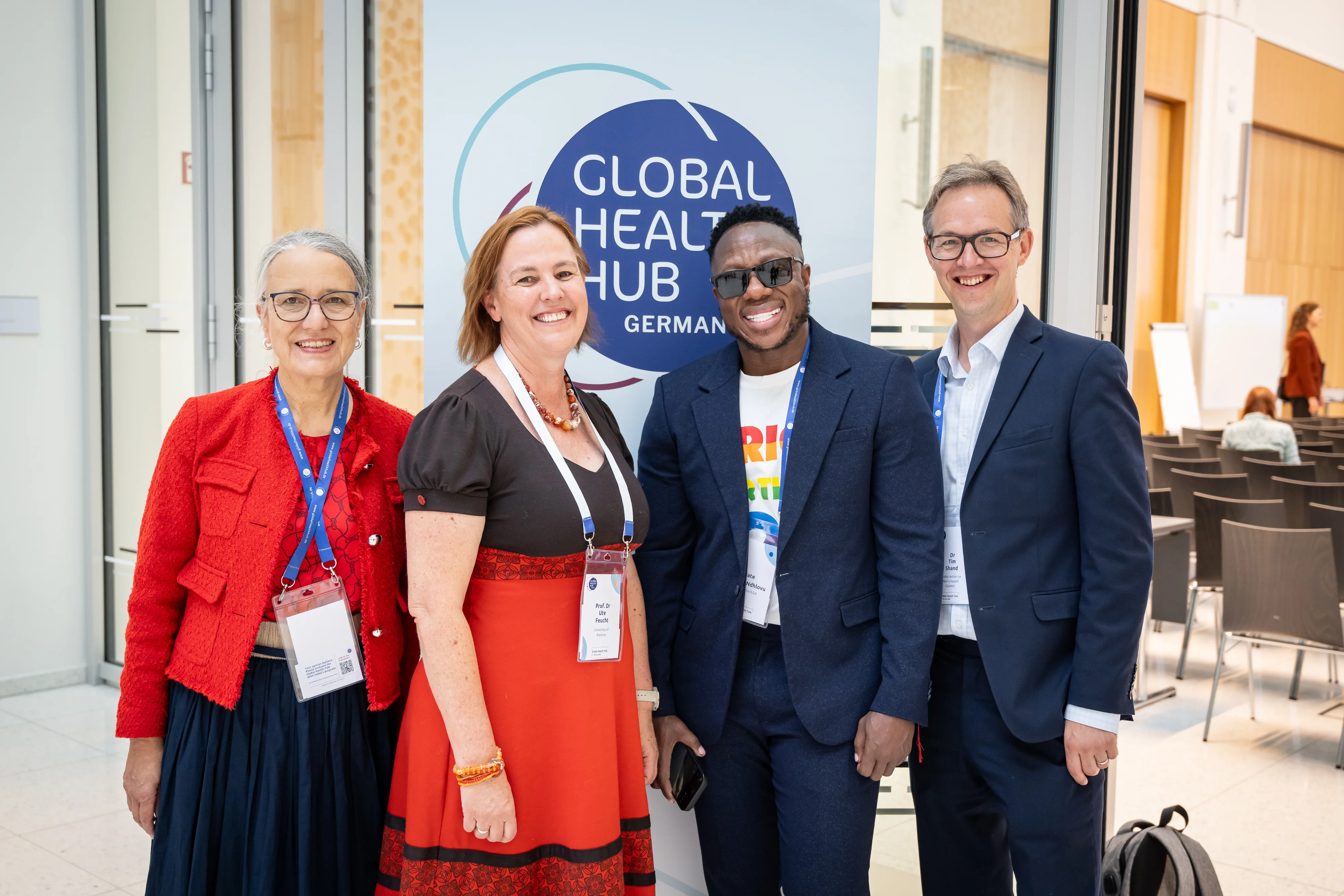
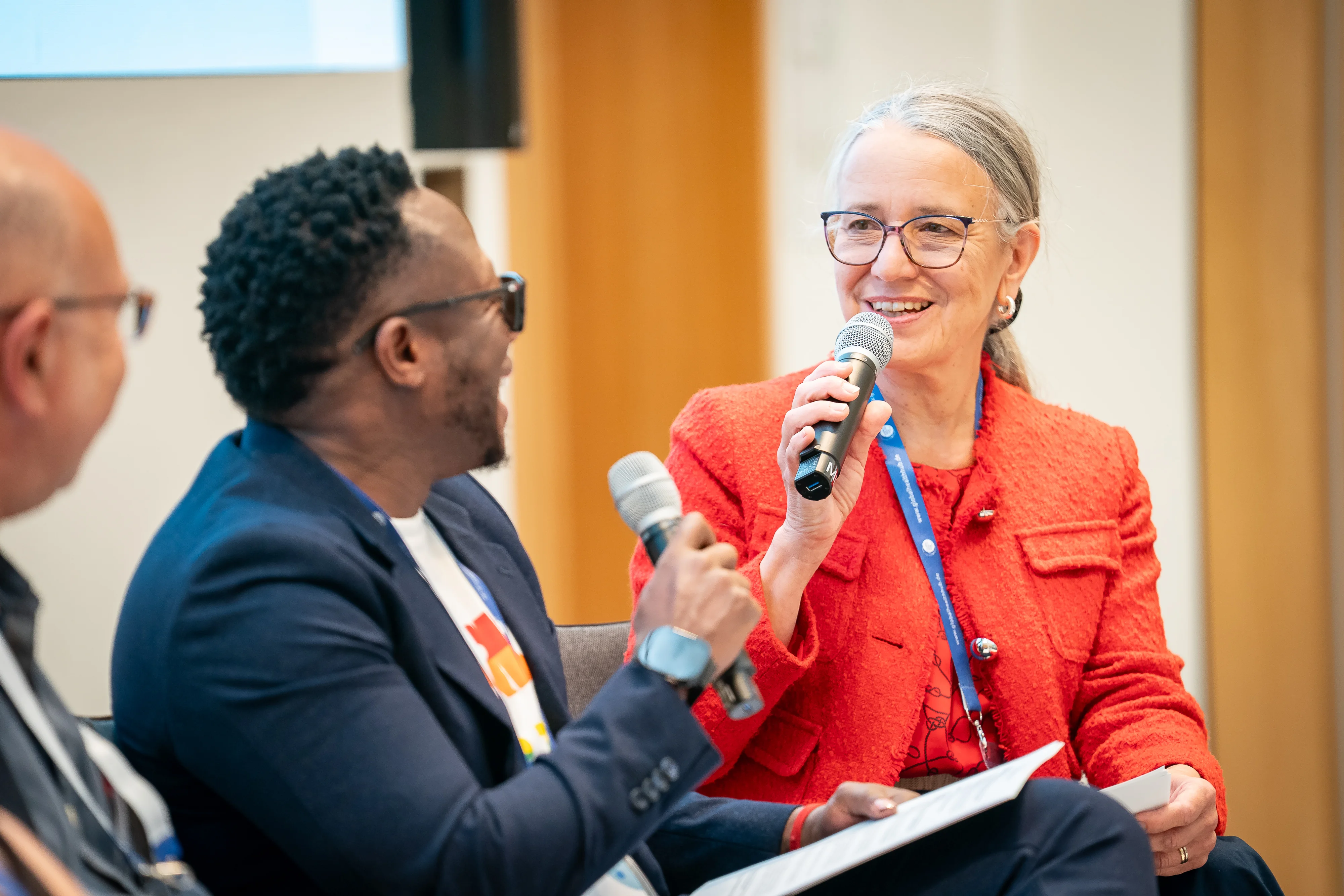
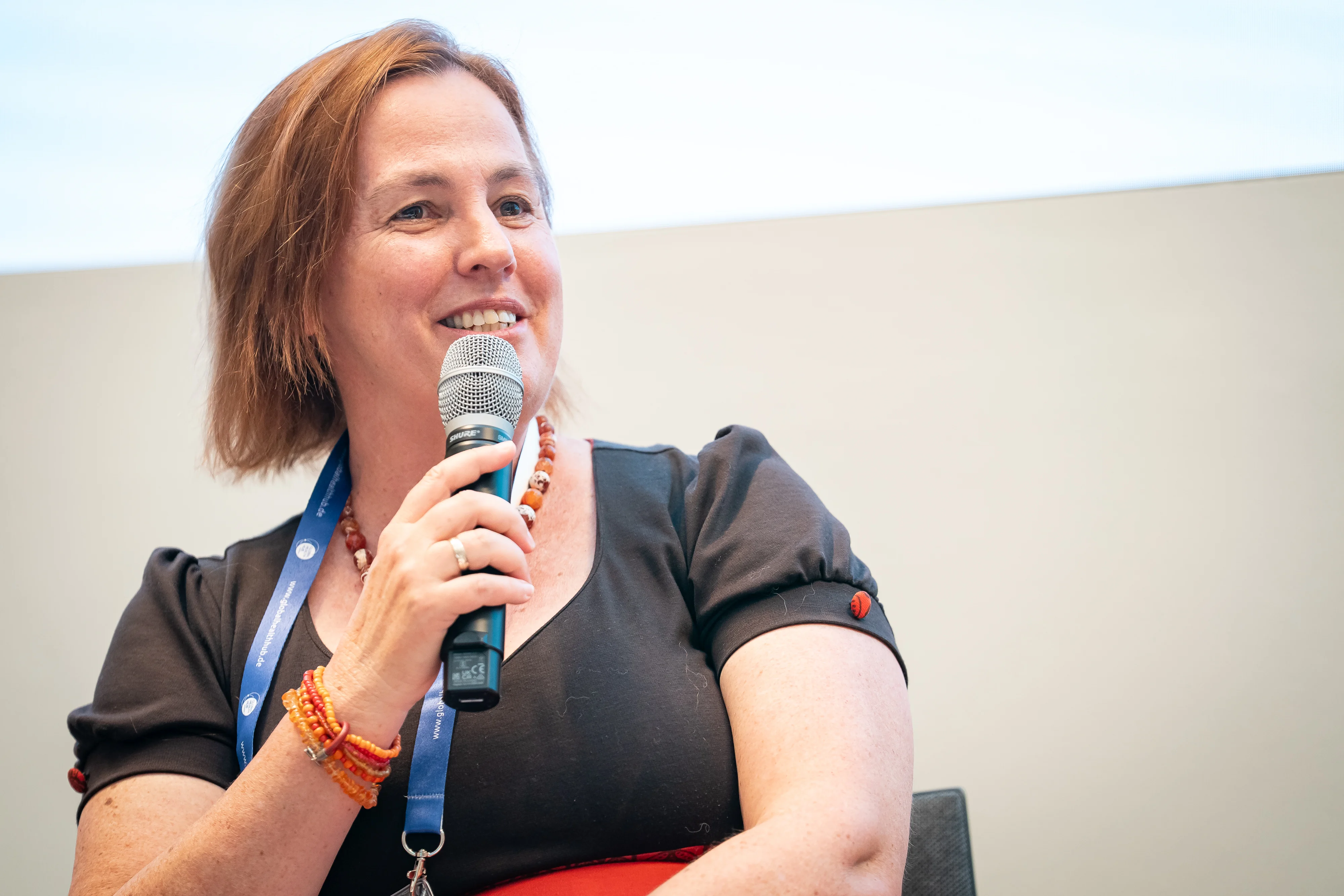
The Global Health Talk 2026 opened with a panel exploring gender health from three angles, moderated by Dr. Martina Kloepfer, Founder and President of the Institute for Gender and Health (Institut für Gender-Gesundheit e.V.). Prof. Ute Feucht (University of Pretoria, South Africa) highlighted HIV and gender-based violence as key challenges for women's health. South Africa runs the world's largest antiretroviral program, treating 7 million people — yet stigma persists, as women are often diagnosed first through prenatal testing.
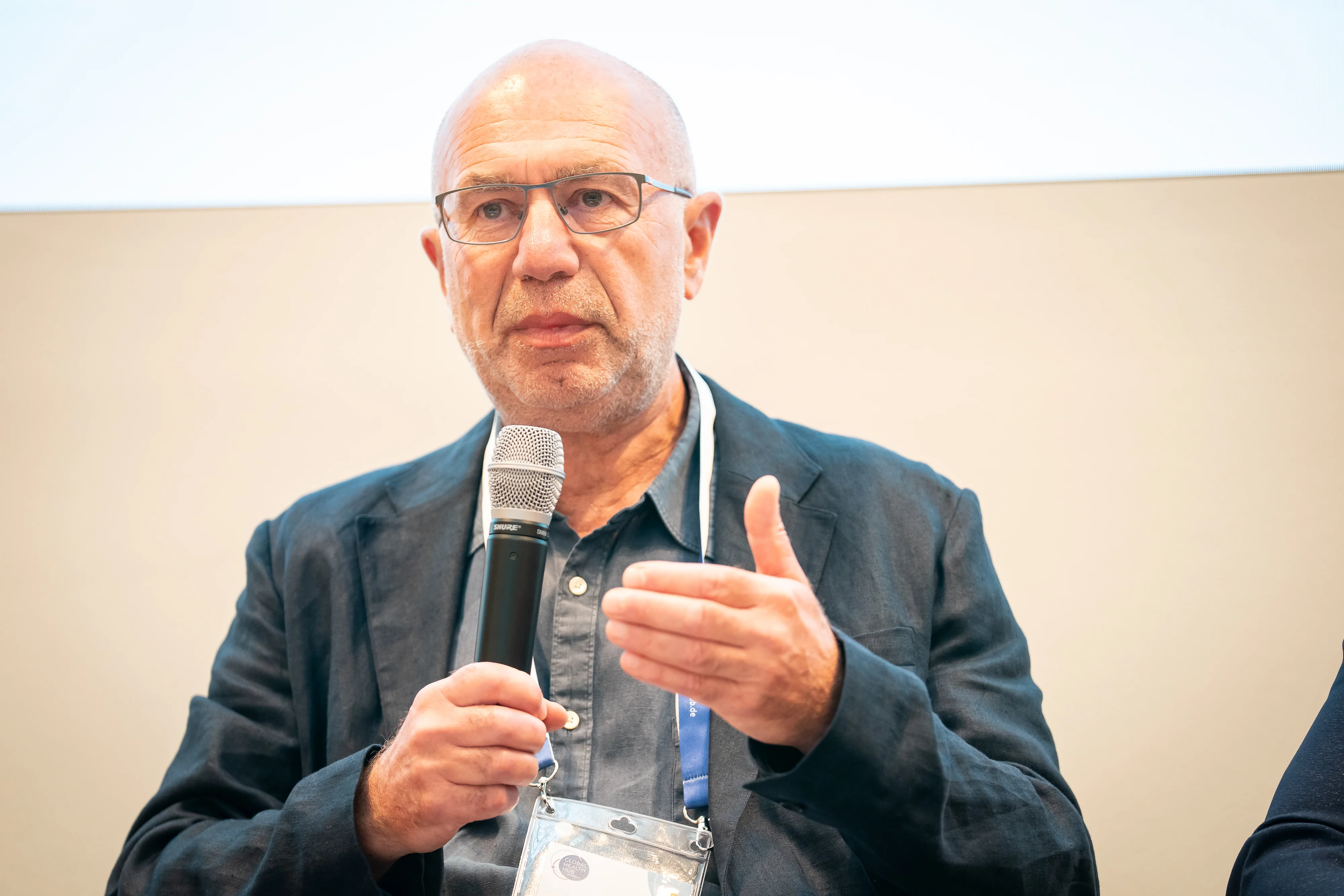
Stigma, however, affects all genders. Peter Baker (Global Action on Men's Health) pointed to rigid ideas of masculinity as a barrier to men seeking help, contributing to earlier deaths from largely preventable causes. He called for Germany to adopt a national men's health strategy, following nine other countries.
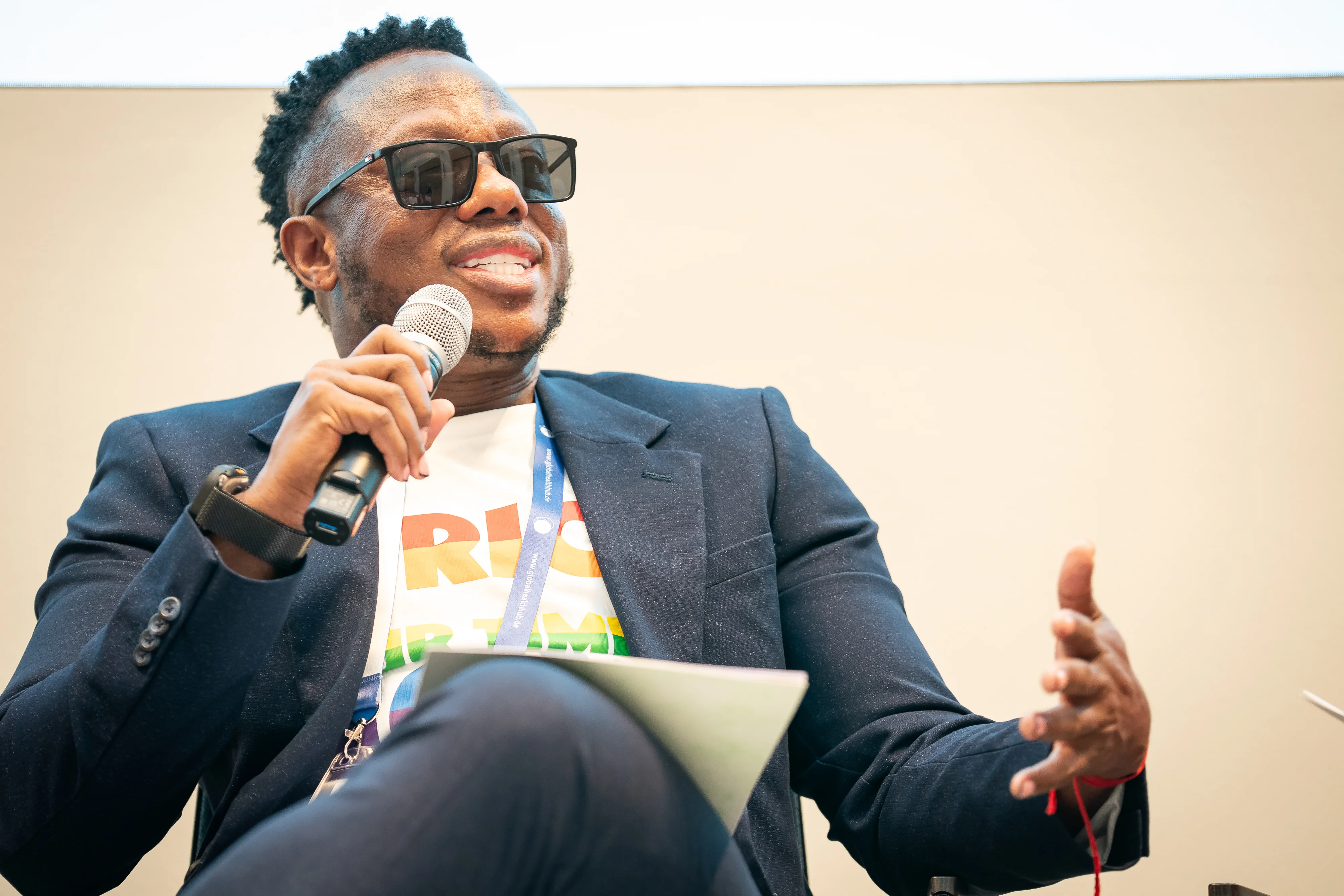
Building on this, Nate Brown (Pan Africa ILGA) stressed that gender health isn't binary — tackling these issues requires collective effort, especially for trans, intersex, and gender diverse people. Despite legal protections in some countries, 30% of transgender people avoid healthcare due to discrimination and untrained staff, underscoring the need for better training worldwide.
Keynote Dr. Georg Kippels
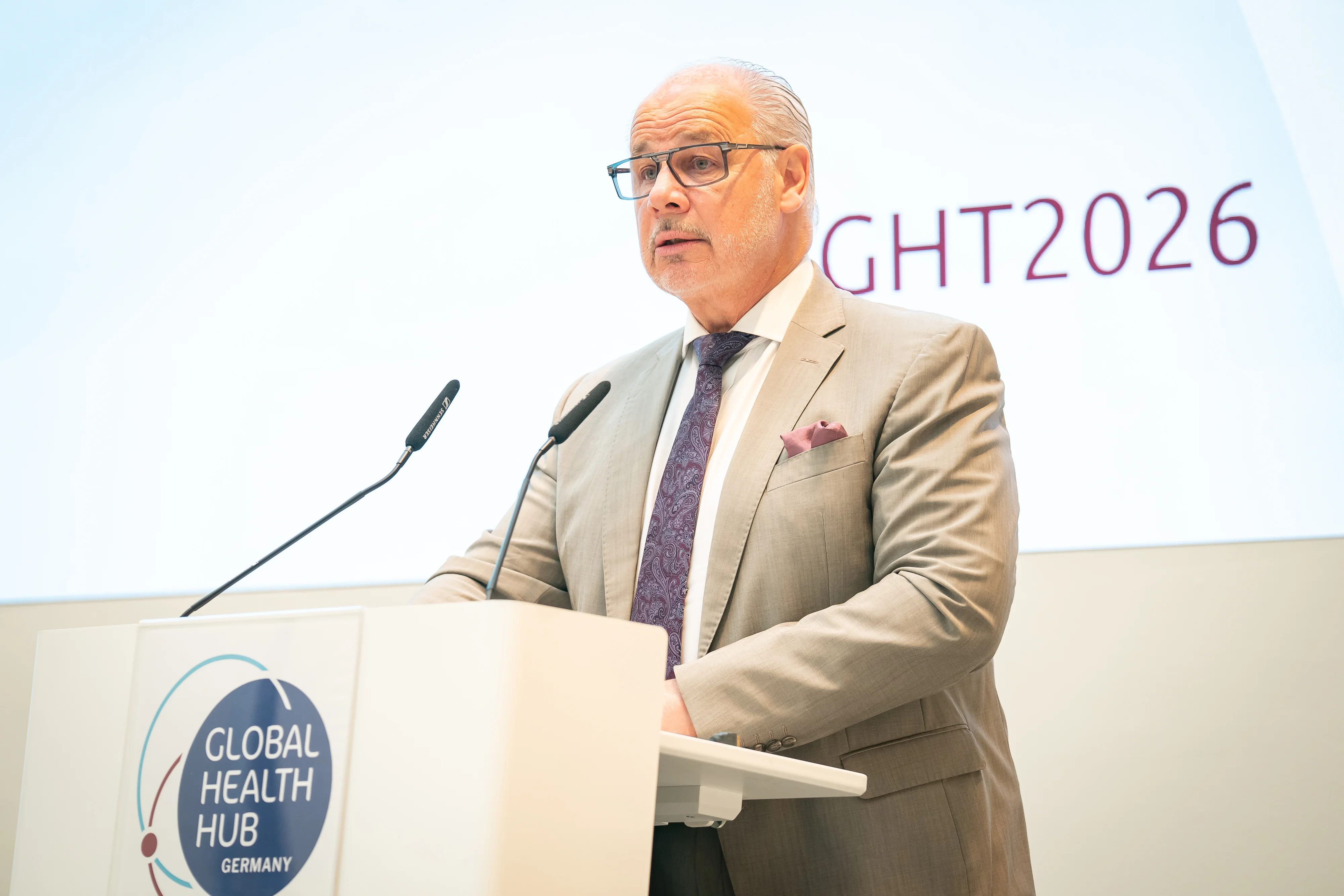
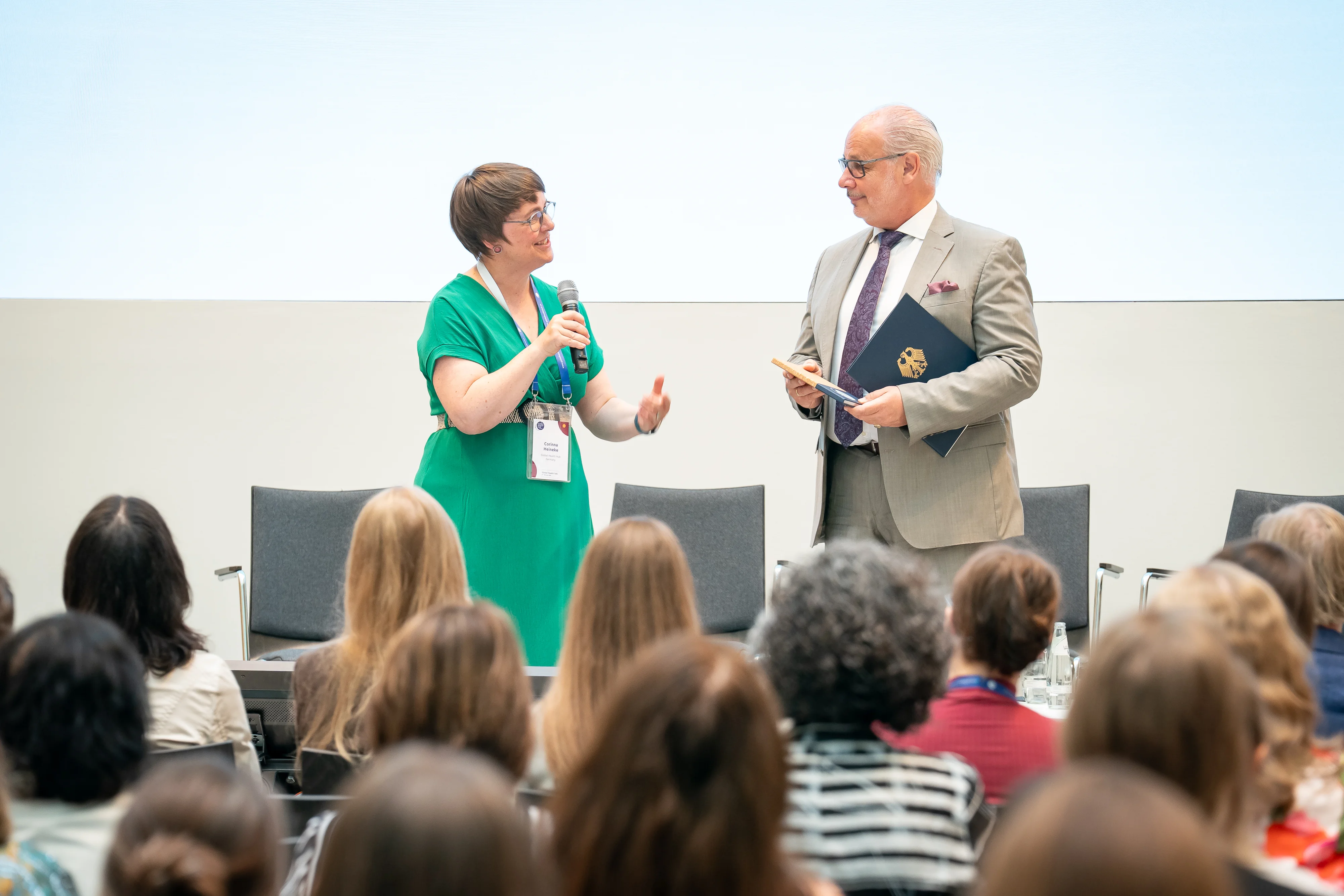
After this insightful panel discussion, Parliamentary State Secretary Dr Georg Kippels took the stage to deliver a keynote on behalf of Federal Minister of Health Nina Warken. Connecting directly to the panel, he reaffirmed the government's commitment to gender-sensitive healthcare. For the Federal Ministry of Health, this translates into a clear goal and mandate: healthcare that is evidence-based and patient-centred.
Dr. Kippels was frank about the pressures facing the global health architecture and what this means for Germany:
“We must become more creative and strategic in how we can deliver the greatest impact for all.”
On behalf of Minister Warken, he outlined three priorities for Germany moving forward:
- Enhancing the effectiveness of the multilateral health system,
- Strengthening health security and resilience worldwide,
- Expanding the role of the EU in global health.
Future Lab | Germany’s Leadership Role in Global Health
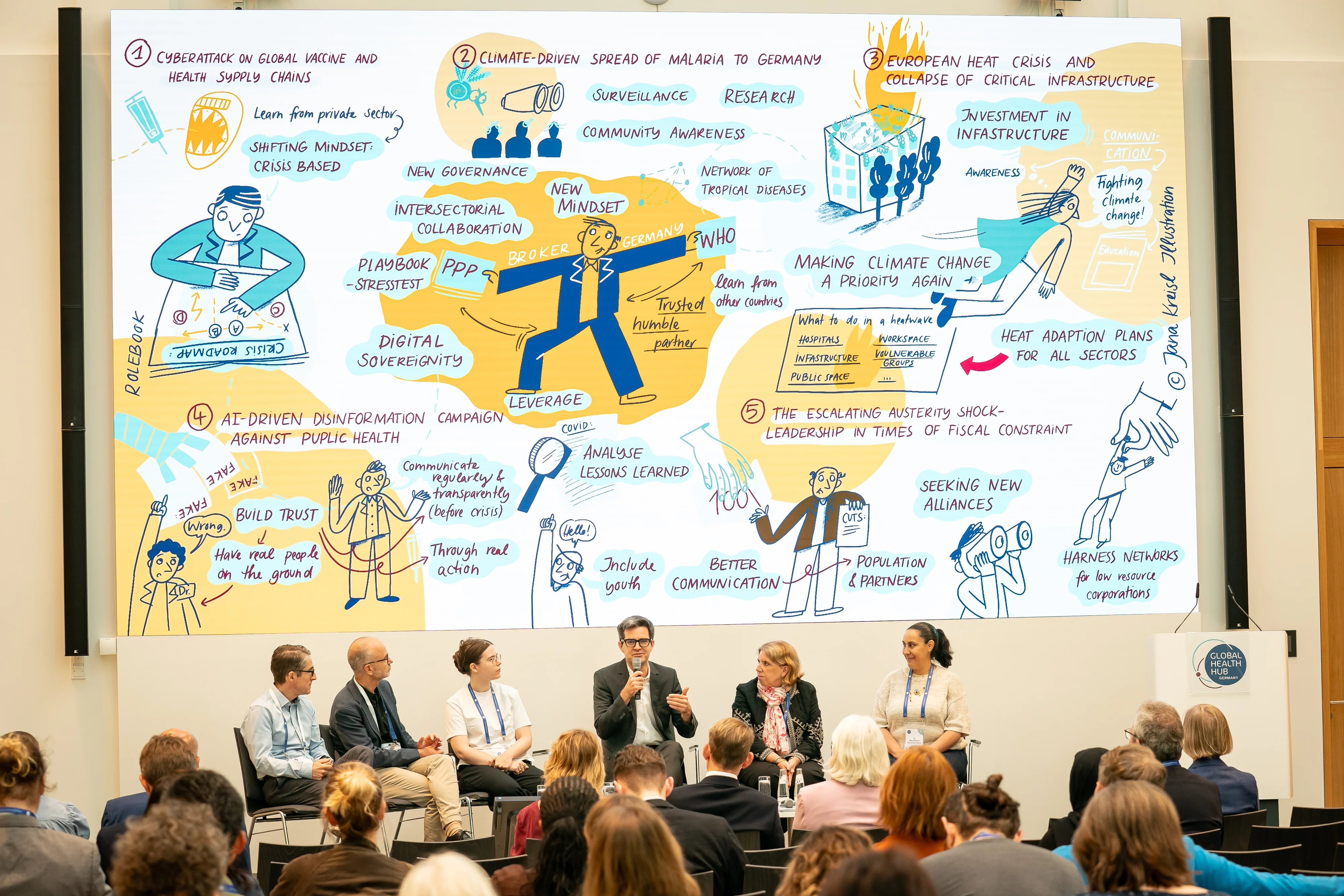
How and where can Germany meet the call for stronger global health leadership in times of increasing geopolitical instability? Imagine there is a Cyberattack on Global Vaccine and Health Supply Chains or Malaria is spreading in Germany due to climate change. The attendees of the Global Health Talk engaged directly with five future global health scenarios — from a cyberattack on global vaccine supply chains to the climate-driven spread of malaria to Germany, an escalating European heat crisis, leadership in times of fiscal austerity, and an AI-driven disinformation campaign against public health.
Working in small groups, participants developed concrete policy recommendations. A cross-cutting theme emerged: much of our infrastructure is built for times of peace, and Germany has both the responsibility and the expertise to develop playbooks that prepare health systems for the unexpected.
Recommendations of the participants: Graphic Recording ©Jana Kreisl
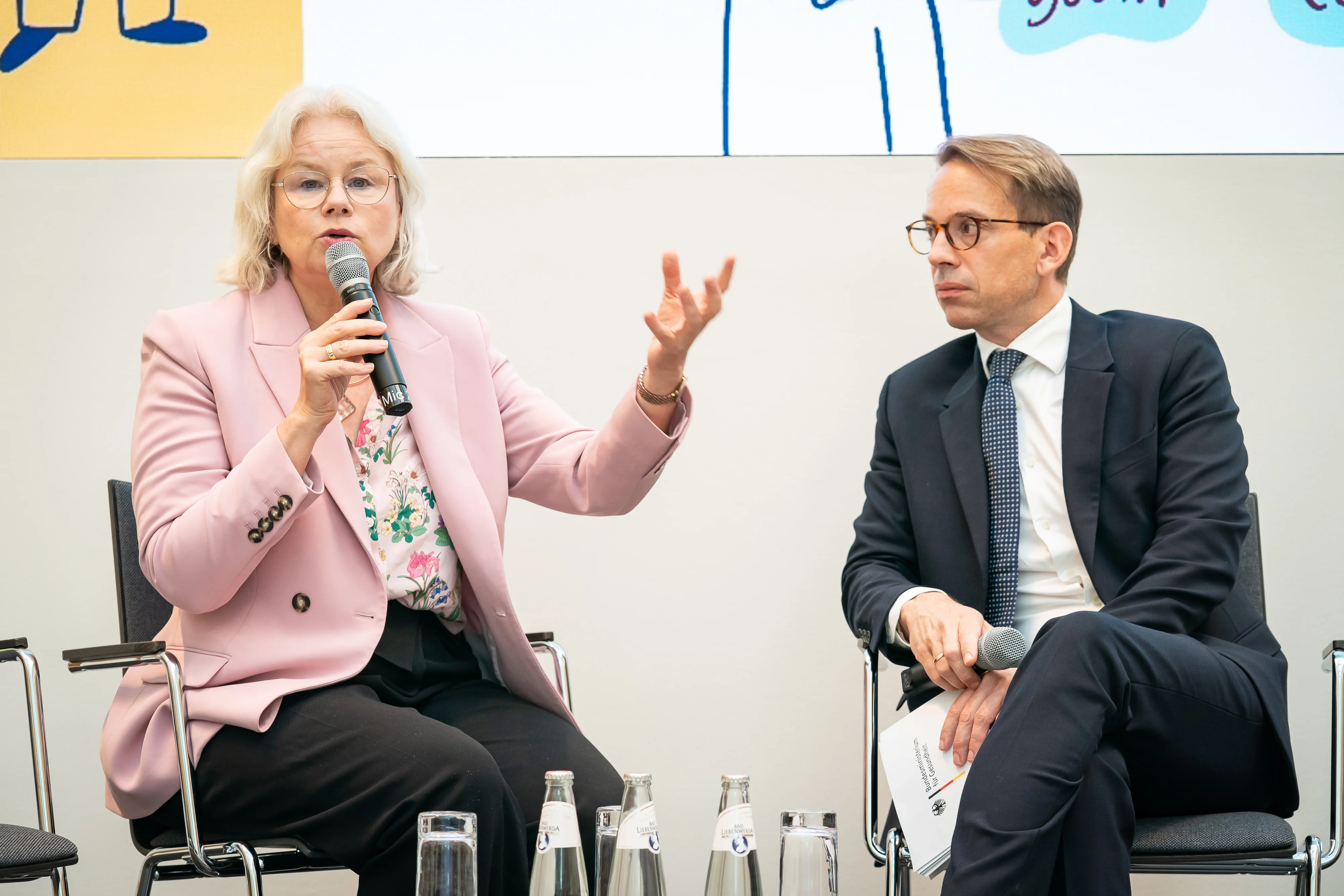
In a subsequent interview, Dr. Kirsten Kappert-Gonther, member of the German Bundestag (MdB), reflected on her takeaways, stressing that Germany's leadership must be defined by commitment rather than dominance. She called for thinking the twin pressures of funding cuts and the climate crisis together. As a trained psychiatrist, she singled out mental health as central to protecting democracy: the mental health crisis destabilizes not just individuals but entire societies, a trend intensified by geopolitical tensions and climate change. She also made a strong case for upholding gender rights and sexual and reproductive health and rights in the face of a global rollback.
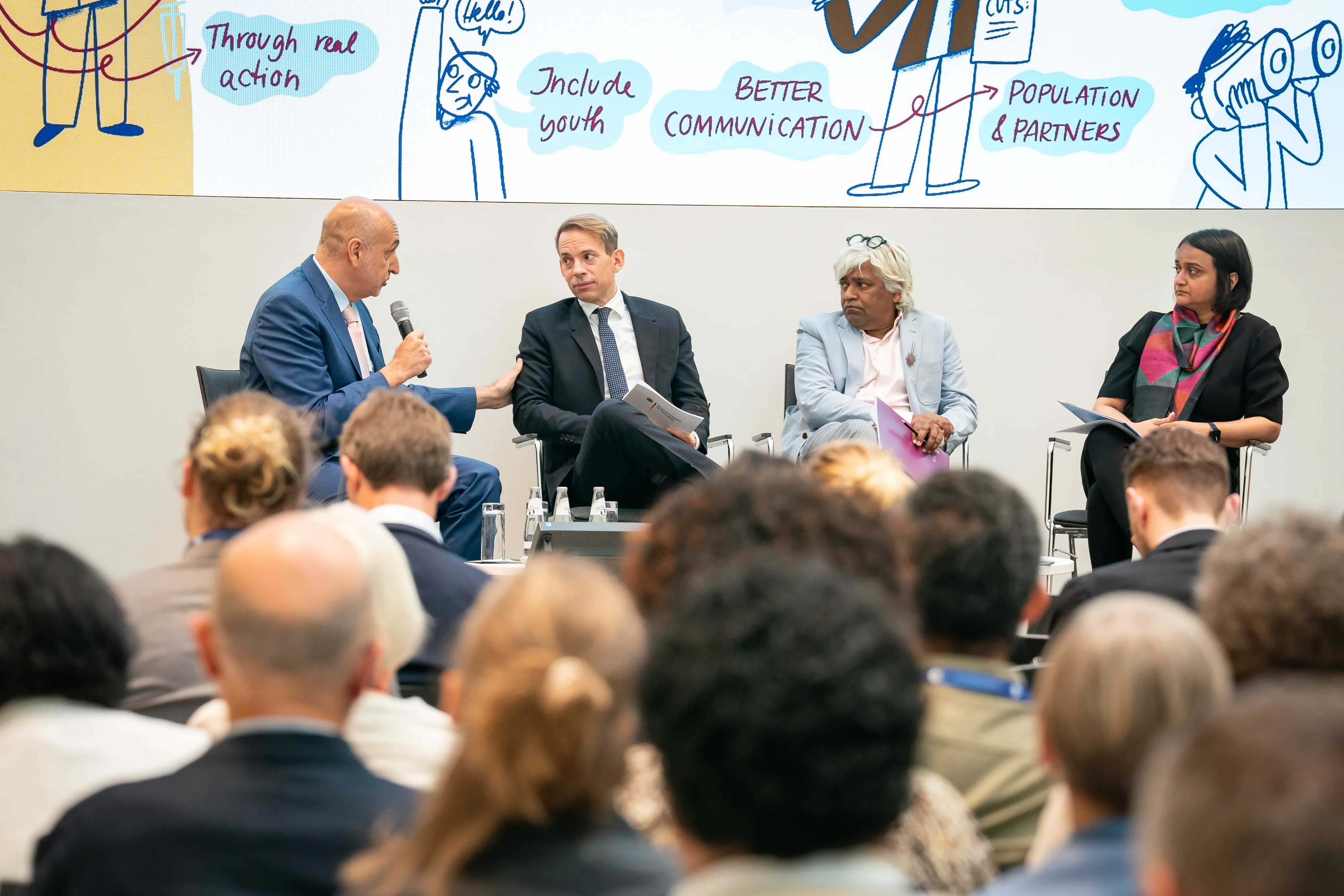
A panel of international global health experts — Dr. Unni Karunakara, Dr. Revati Phalkey, and Dr. Francisco Pérez-Cañado, moderated by Paul Zubeil —took on the recommendations in a lively discussion that drew in the audience throughout. The results:
- Germany's global health leadership must go beyond funding and leverage its political weight to strengthen multilateralism;
- Coherence is needed both across German ministries and at the EU level;
- True inclusion in global health means involvement in decision-making, not just implementation;
- The narrative of global health funding as charity must give way to one of strategic investment in resilient societies — at home and abroad.
Simulation Exercise | Critical Choices – Beyond the Pathogen: The Social Dimension of Pandemic Preparedness
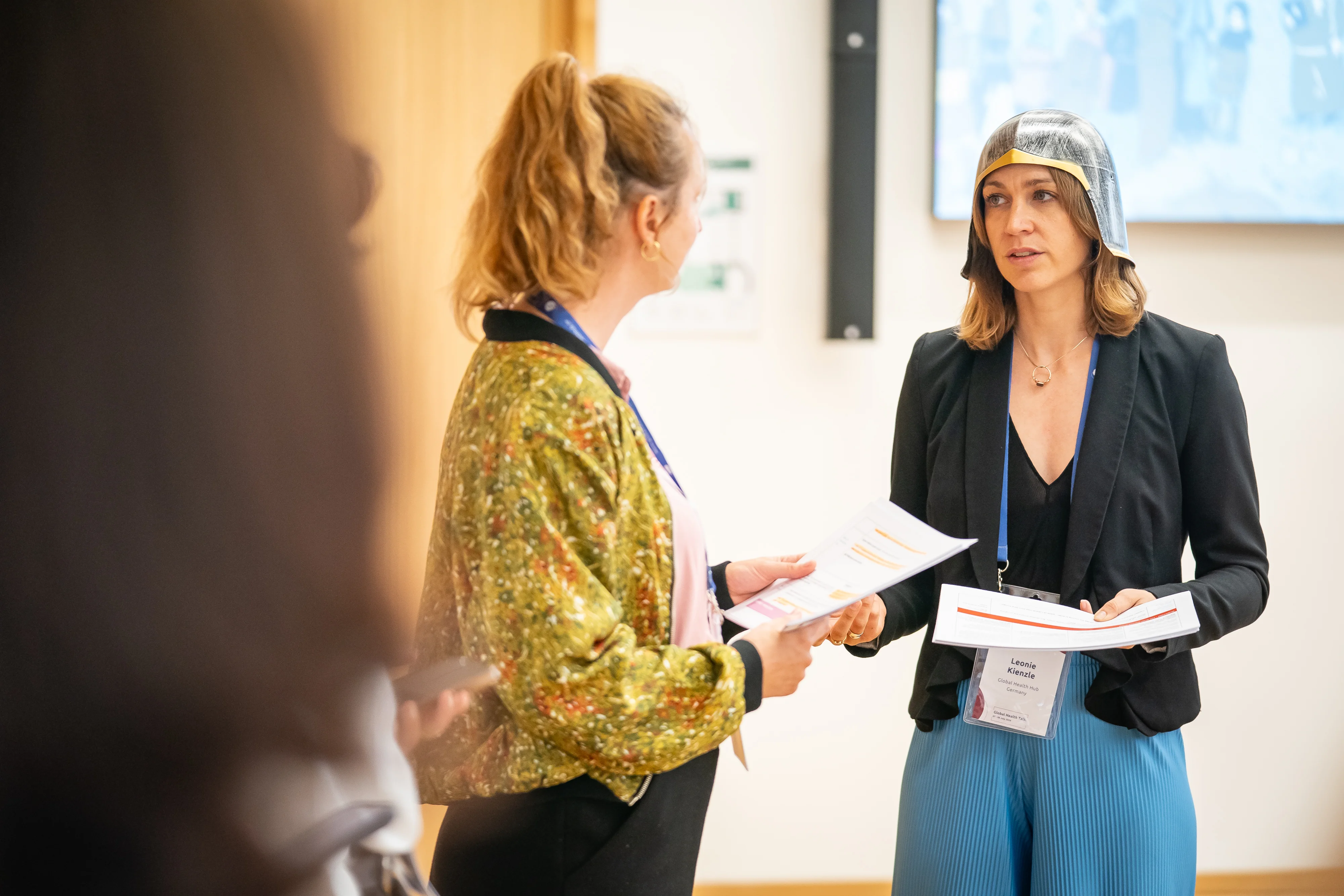
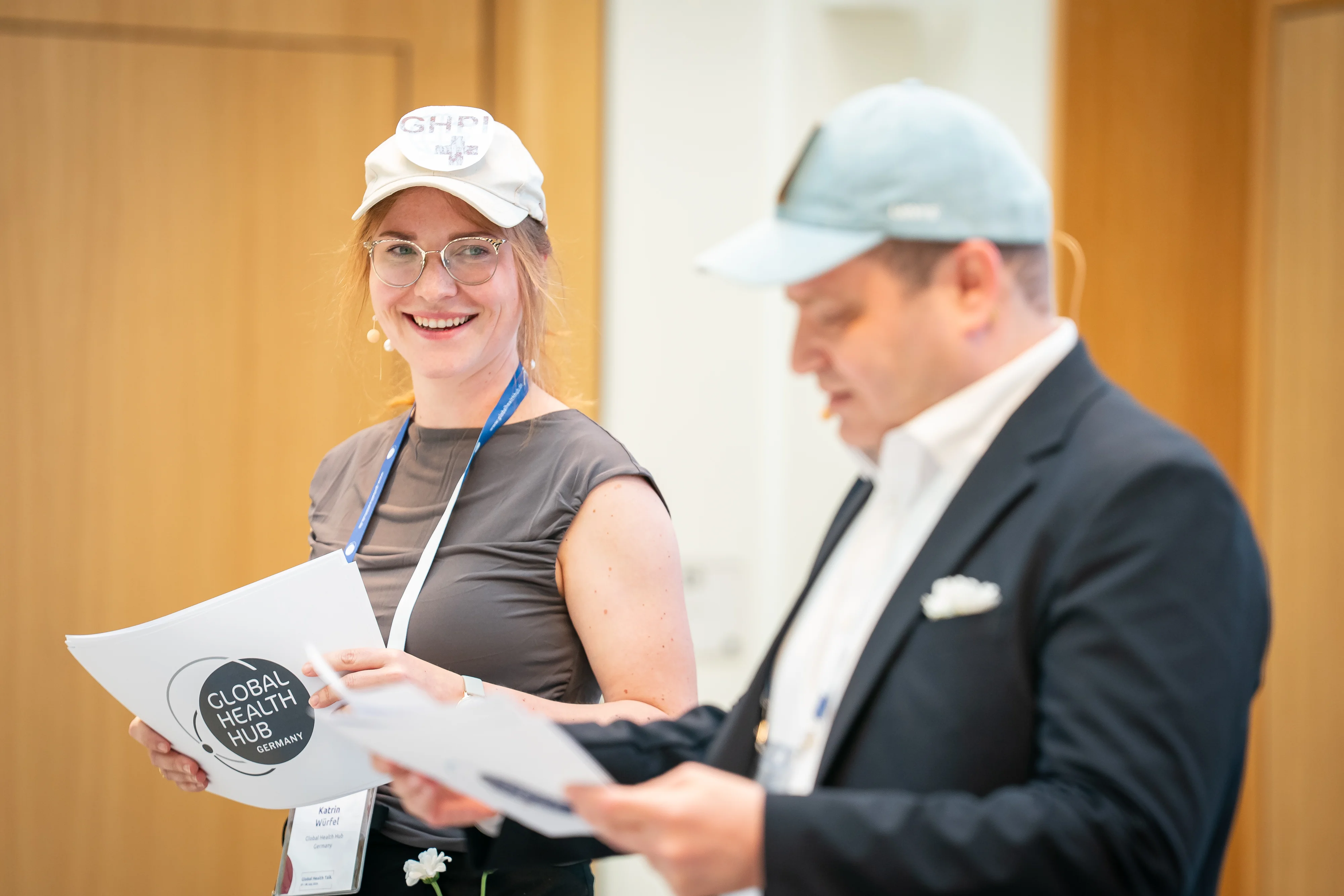
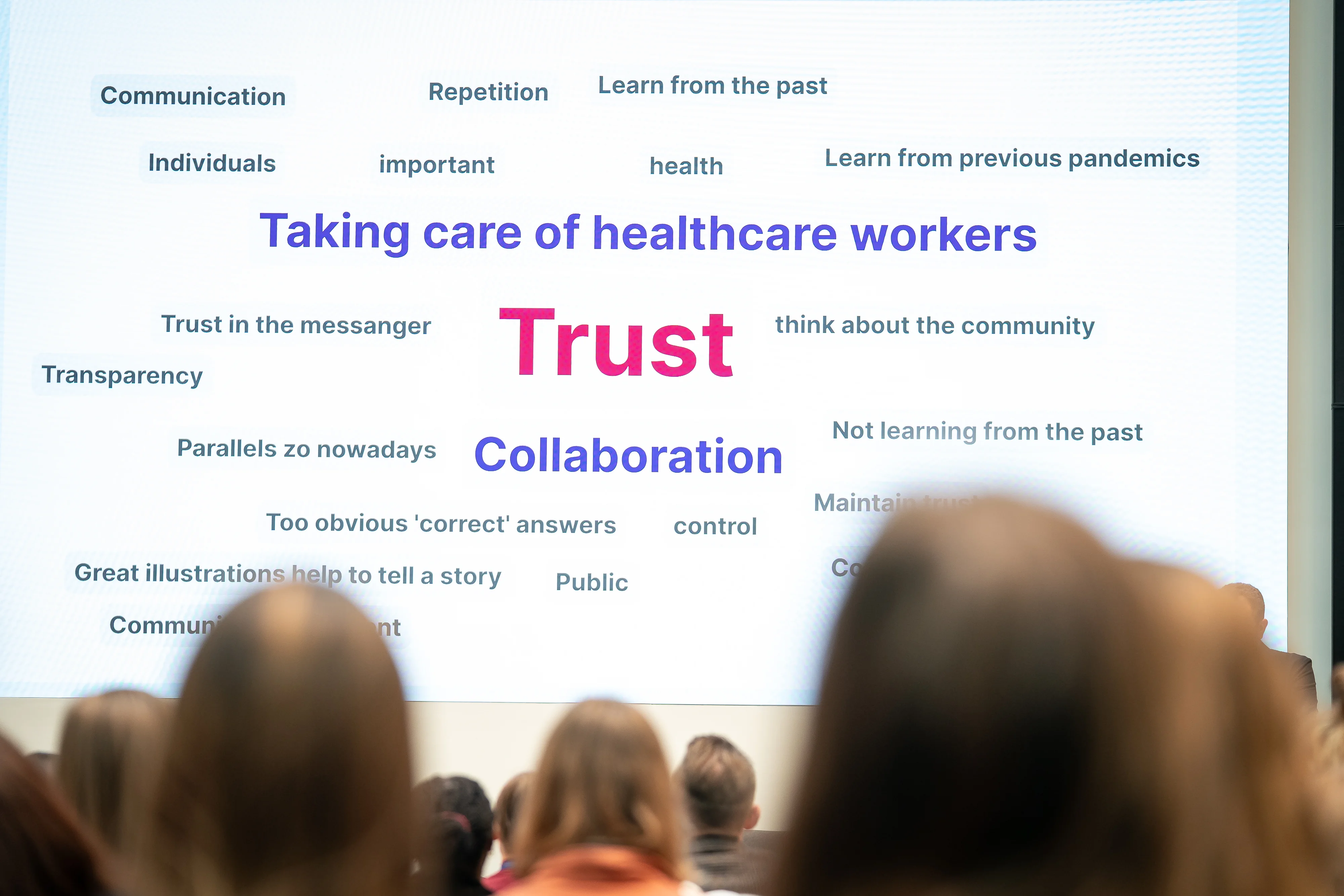
From Lübeck over San Francisco to Madagascar – the participants boarded a time machine and traveled across space and time to experience pandemic preparedness, prevention and response from a perspective that is often overlooked: the social and mental health dimensions of outbreaks. The interactive tabletop simulation exercise was jointly developed by the WHO Mental Health and Substance Use Unit and the Global Health Hub Germany to explore how outbreak response is shaped not only by biomedical tools, but also by trust, community engagement, mental wellbeing, communication and political legitimacy.
During the simulation, participants were asked to make difficult decisions under pressure. The relevance of the topic also resonated beyond the simulation itself. On the second day of the Global Health Talk, MdB Dr. Kirsten Kappert-Gonther picked up the issue in her speech, stressing the importance of mental health and psychosocial support in pandemic preparedness and response. She also called for a full-scale simulation exercise in Germany — a strong signal that the social and mental health dimensions of crises must be tested, practiced and integrated into preparedness structures before the next emergency occurs.
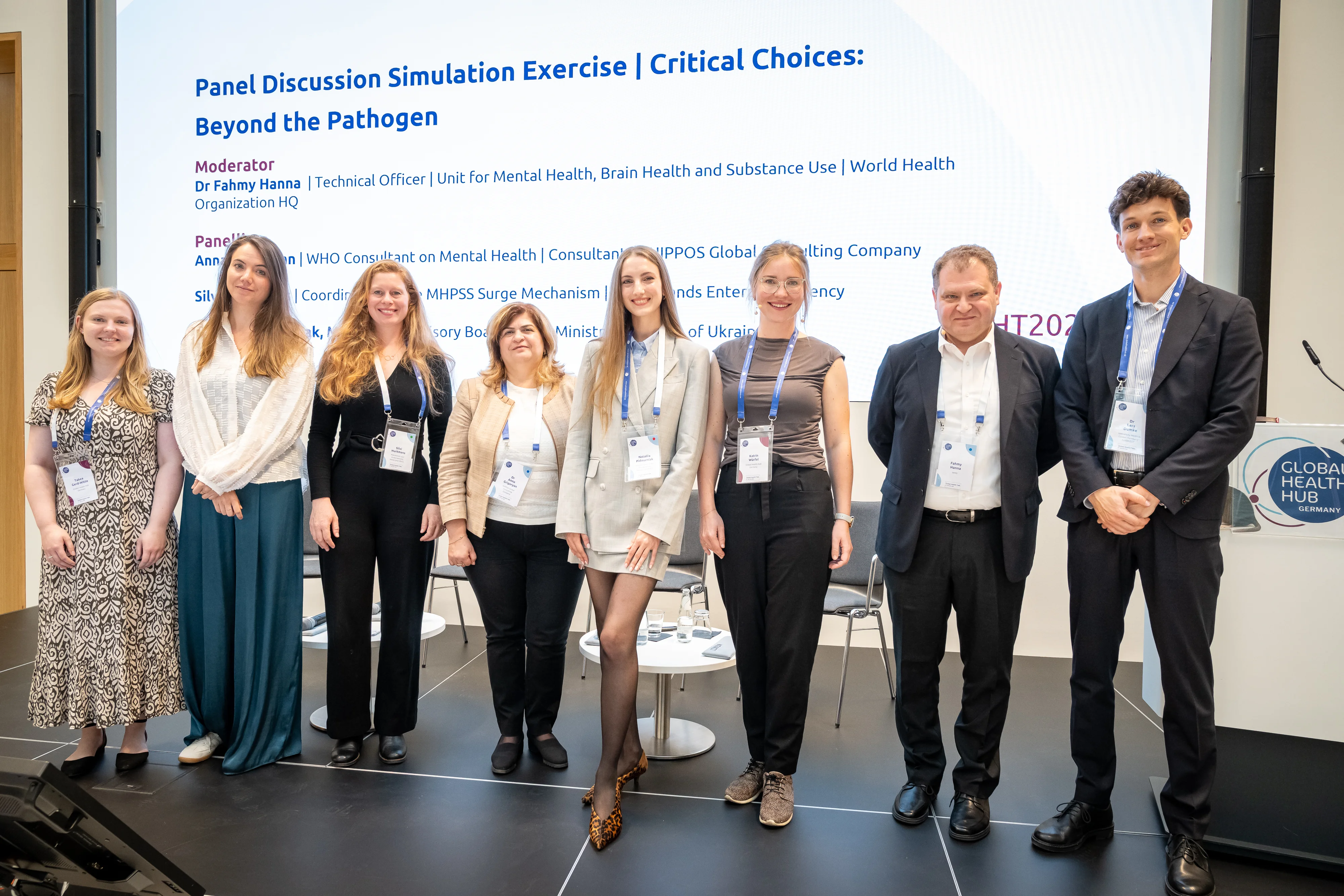
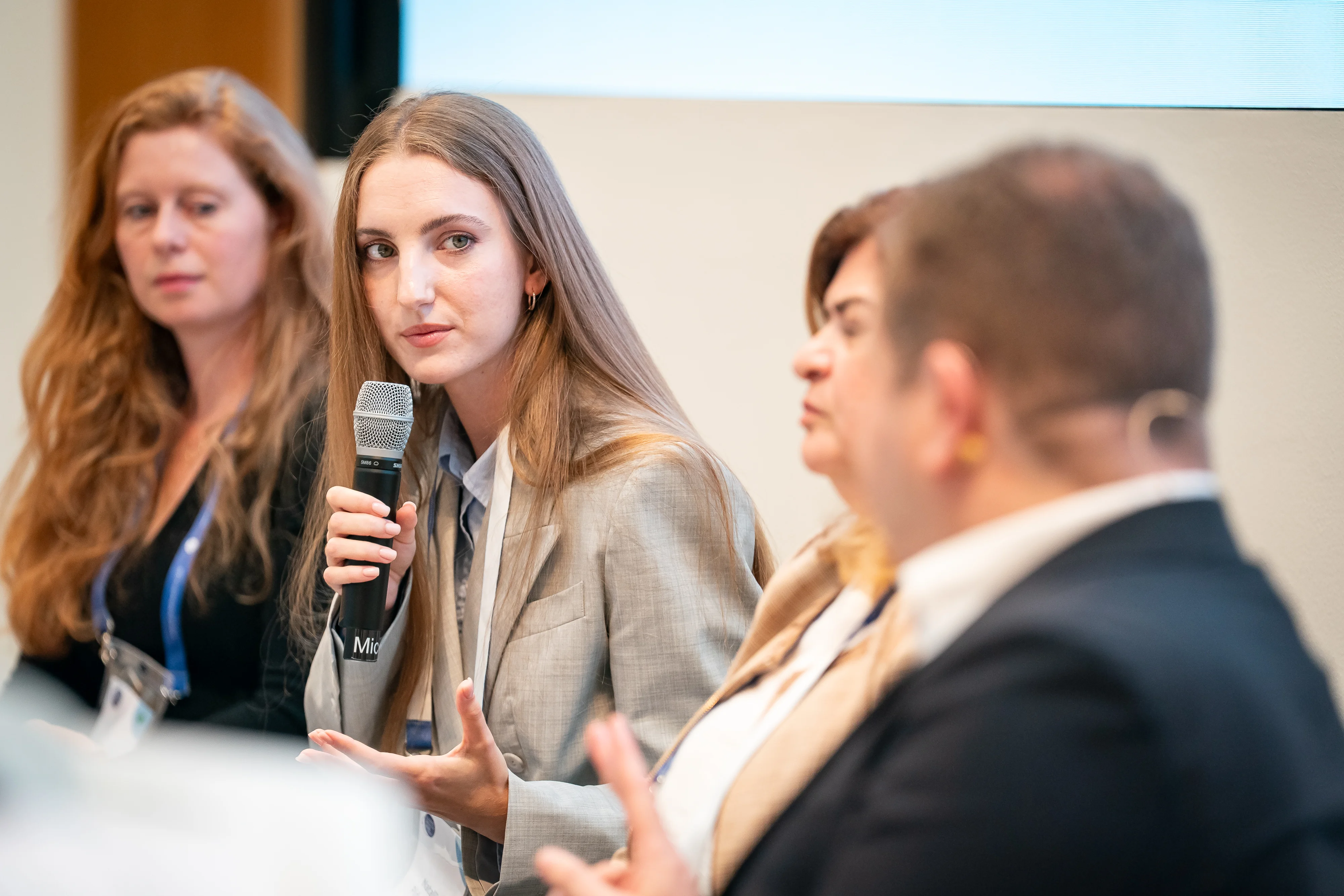
The simulation was followed by a moderated panel discussion with Dr. Anna Grigoryan, Silvi Hurkmans and Natalie Pidmurniak, chaired by Dr. Fahmy Hanna from the World Health Organization. Together, they connected the dilemmas raised in the exercise to real-world experiences from outbreak response, humanitarian settings, youth engagement and community-centered preparedness.
Community Poster Session
The Community Poster Session brought the work of the Hub’s communities of practice and working groups to the center of the Global Health Talk. Five groups presented their latest activities, current discussions and ideas for future collaboration — showing how Hub members from different backgrounds come together around shared global health challenges.
Global Health and Migration Community: Beyond Barriers – Inclusive Health Recommendations for Migrants, Refugees and Displaced Populations
The poster highlighted key barriers to healthcare for migrants, refugees and displaced populations — including language, system navigation, trauma, discrimination and service disruption — and presented recommendations for more inclusive access to care, workforce integration and community-linked health systems.
Global Mental Health Community: Social Media Use Among Adolescents: A Double-Edged Sword?
The poster explored adolescent social media use as both a potential risk and a source of connection and support, comparing policy approaches in Germany and Australia and recommending that adolescents be empowered, better informed and protected through practical regulation.
Global Women's Health Community: Feminist Perspectives on AI in Women's Health
The poster presented a feminist analytical framework for examining AI in women’s health, focusing on power, knowledge, justice and intersectionality to ask who designs, governs and benefits from AI systems — and whose needs or knowledge may be rendered invisible.
Epidemic Preparedness and Response Community: From Climate-Sensitive Disease Prediction to Timely Outbreak Response: EWARS-csd
The poster introduced the Early Warning and Response System for climate-sensitive disease outbreaks and showed how historical, epidemiological, demographic and climate data can support prediction, alarm signals and locally adapted public health responses.
Working Group on AI in Health: Trustworthy AI in Health – Governing a Double-Edged Sword
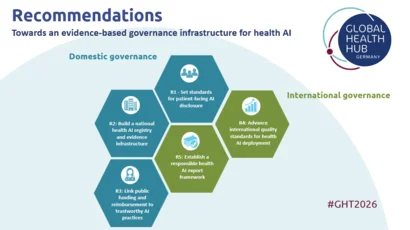
The poster introduced the Working Group’s policy brief and used case studies from mammography screening in Germany and mental health services in the UK to show why transparency, oversight, accountability and patient engagement are essential for trustworthy AI governance.
Panel Discussion | AI in Global Health – A Double-Edged Sword
The final thematic session of the Global Health Talk, “AI in Global Health – A Double-Edged Sword”, focused on the opportunities and risks of artificial intelligence for health systems, individual care and global health equity. The session combined an illustrated quiz, moderated by Dr. Michael Bayerlein, the launch and presentation of the Working Group’s policy brief and a panel discussion moderated by Dr. Zahra Karimian.
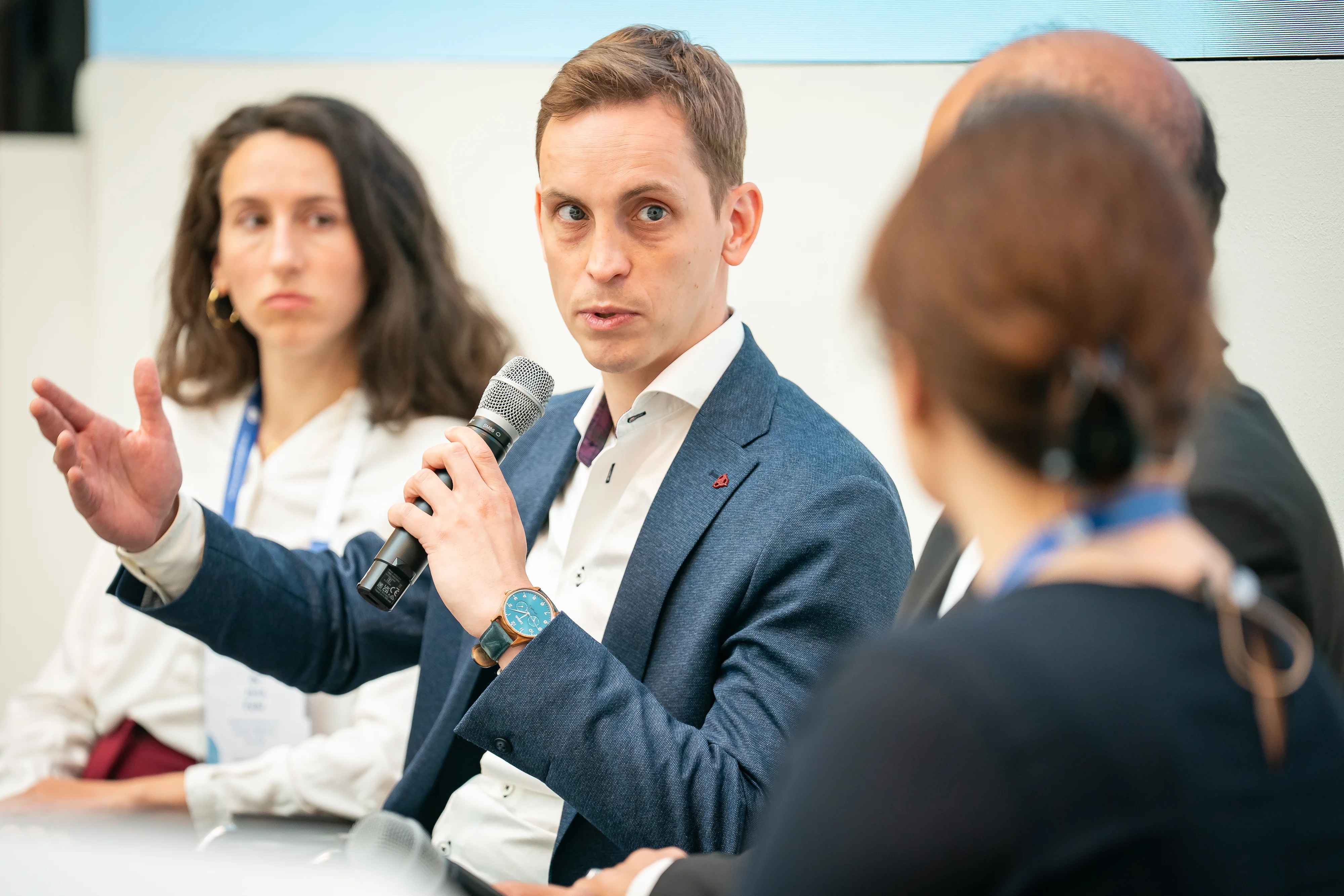
The discussion brought together Prof. Dr. Arash Rashidian, Bernd Fiedler, Dr. Jana Fehr and Rachel Firestone to examine how AI can support better and more equitable health outcomes — and under what conditions it may instead reinforce existing inequities. Key questions included how AI can contribute to universal health coverage, what oversight mechanisms are needed beyond legal compliance, and which evidence gaps still need to be addressed for safe and trustworthy implementation in real-world health settings. Together, the presentation and discussion made clear that AI in health is never only a question of technology. It is also a question of governance, responsibility and equity.
Abschluss
The AI session concluded with the official handover of the policy brief to Katja Pohlmann, Head of the Directorate General “Health Security, Resilience, International Policy Issues, Europe” at the German Federal Ministry of Health.
Dr. Pohlmann reflected in her closing remarks on the two days of the Global Health Talk 2026 and identified as the key takeaway that trust, cooperation and governance are the main pillars for tackling increasingly interconnected challenges such as pandemic preparedness, climate change and antimicrobial resistance.
She pointed out the great added value of dialogue spaces like the Global Health Talk especially when bringing together people who do not often have the opportunity to exchange.
Pohlmann reaffirmed Germany's commitment to multilateralism, describing the World Health Organization as central to the global health architecture and stressing the need for closer European coordination.
Turning to artificial intelligence, Pohlmann rejected the notion that AI is inherently risky, arguing that its impact depends on how it is deployed within existing health and safety regulations. She highlighted AI's potential to improve diagnostics, disease surveillance and healthcare delivery, while announcing measures to accelerate its safe adoption, including regulatory sandboxes for health applications and the establishment of a national AI Safety Institute to assess advanced AI systems and promote international standards.
We were delighted to see so many of you at the Global Health Talk this year and it makes us proud that that you see the Global Health Talk as “unique and important events to build bridges between communities in the field and align our priorities!”
Can’t wait to welcome you again next year!
Related Articles