Malaria infrastructure is a path to a healthier planet and people
On World Malaria Day, the fight against malaria is a reminder that tackling one disease can strengthen entire health systems and communities. But with funding gaps widening, ending malaria will require stronger collaboration, sustained investment, and a renewed global commitment.
Almost thirty years after leaving my alma mater, the University of Heidelberg, in Germany, I find myself reflecting on a journey that has come full circle. When I was a medical student in Germany, my ambition was always clear. To return home to Nigeria and contribute to strengthening the health system.
I did just that in 1999, after completing my medical training. But nothing could have fully prepared me for the reality I encountered. What began then remains a commitment today. In my early years of practice, 80 percent of outpatient cases were malaria cases. I saw families forced to choose between putting food on the table or seeking treatment for their children. I treated children who had been in school one day, playing football with friends, only to fall ill with fever and die within 36 to 48 hours. That's how fast malaria can kill.
That reality has stayed with me and is a reality that, tragically, persists today in many parts of the world. It is my driving force for leading the RBM Partnership to End Malaria- a global Partnership.
Despite progress, malaria still accounts for over 600,000 deaths and more than 283 million cases each year. Behind these numbers are families, communities, and health systems under constant strain, particularly in Africa, where the vast majority of cases and deaths occur.
Under the malaria umbrella
Every clinician in a malaria-endemic country knows the burden well. Malaria is always present, always a possibility. Its symptoms mimic many other diseases, making vigilance essential. The cost of missing it is often fatal, especially for children under five.
Over decades, this constant pressure has driven countries to innovate. Systems built to fight malaria such as surveillance, data collection, vector control, resilient health systems, and community engagement, have evolved into something much broader. They now form the backbone of what we increasingly recognize as a One Health approach, linking human health, environmental health, and, indirectly, animal health.
For example, surveillance systems originally designed for malaria now provide critical data not only for tracking disease trends but also for understanding the links between climate patterns and health outcomes. Platforms such as the RBM Partnership’s Global Malaria Dashboard draw on decades of country-led investment to inform decisions, identify gaps, and strengthen accountability. In many settings, these systems are integrated with climate and weather monitoring, enabling communities to prepare not only for malaria outbreaks but also for floods, extreme heat, and other shocks.
Over time, the infrastructure built “under the malaria umbrella” has become a powerful, integrated ecosystem. One that supports broader health resilience.
„Now we can. Now we must.“
And this is where the theme of this year’s World Malaria Day, "Now We Can. Now We Must" becomes deeply personal.
Now we can, because we know what works. We have the tools, the knowledge, and the experience. We have seen countries eliminate malaria such as Paraguay, Argentina, Belize, Egypt, Cabo Verde, Maldives, Sri Lanka, Timor Leste and others. Progress is possible, and it is happening.
Now we must, because the cost of inaction is unacceptable. In the 21st century, no child should die from a preventable and treatable disease. No family should have to choose between survival and care. Fragmentation in our response is no longer an option. We must act with urgency, cohesion, and purpose.
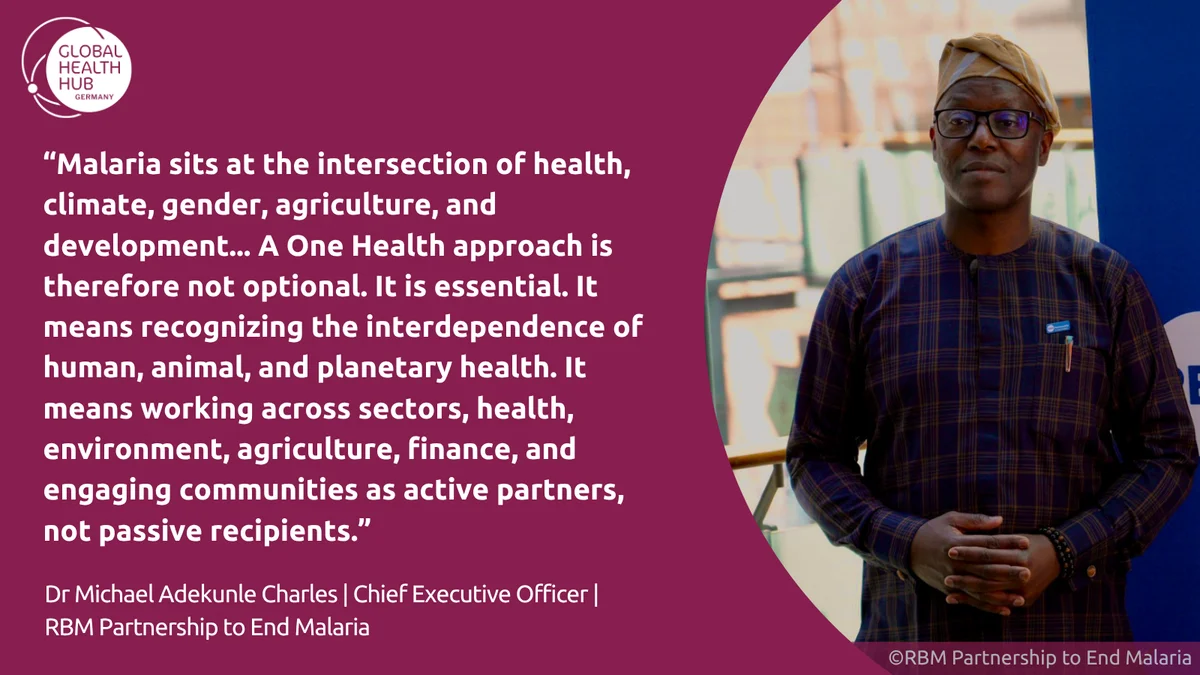
Ending malaria also requires us to move beyond siloed approaches. Malaria sits at the intersection of health, climate, gender, agriculture, and development. Rising temperatures and extreme weather events are expanding mosquito habitats. Flooding creates breeding grounds. Weak environmental systems exacerbate disease transmission.
A One Health approach is therefore not optional. It is essential. It means recognizing the interdependence of human, animal, and planetary health. It means working across sectors, health, environment, agriculture, finance, and engaging communities as active partners, not passive recipients.
Confronting financing realities
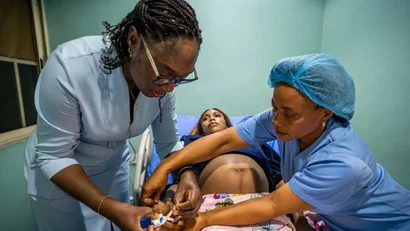
We have already seen how malaria interventions can pave the way for integrated approaches. In many countries, seasonal malaria chemoprevention is delivered alongside nutrition screening and climate early warning messages. Insecticide-treated bed nets are delivered with the immunization programs. Pregnant women are receiving intermittent preventive treatment whilst attending antenatal care. Malaria is a pathfinder to integration and community engagement remains central, because without local action, even the best tools will fail.
At the same time, we must confront the realities of financing. While endemic countries are increasing their contributions, global funding remains far below what is needed. Yet we know that investing in malaria is not just about one disease. It is about strengthening health systems, enabling development, and building a healthier, more resilient planet.
Almost thirty years after my days as a student in Heidelberg, the mission remains unchanged, but the stakes are clearer than ever.
Ending malaria is not just a technical challenge. It is a moral imperative.
It is also a test of how effectively the global health architecture can come together, around countries, around shared priorities, and around what we know works. Initiatives such as the RBM Partnership’s Big Push are helping to set that pace: aligning partners, reducing fragmentation, and ensuring that efforts are country-driven, coordinated, and focused on impact.
But more is needed. More integration across sectors. More innovation in how we deliver and finance interventions. And sustained, predictable financing that matches the scale of the challenge.
If we are to move from possibility to progress, and from progress to elimination, we must act collectively, decisively, and differently.
My path began in Heidelberg – the responsibility remains global.
"Now we can. Now we must."
About the author
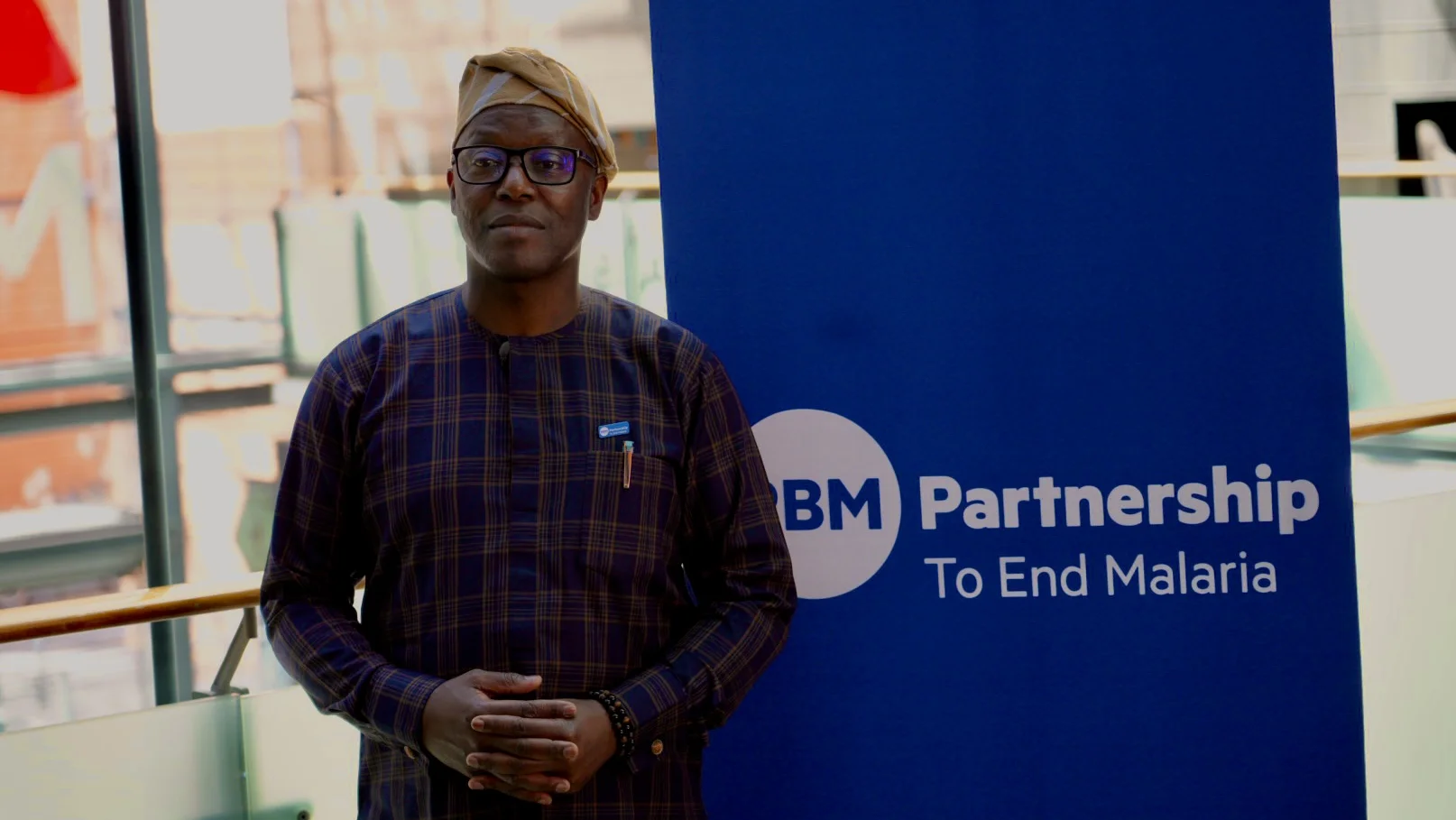
Dr. Michael Adekunle Charles is the Chief Executive Officer of the RBM Partnership to End Malaria, a global platform uniting over 500 partners to drive coordinated action toward malaria elimination. He leads efforts to position malaria at the center of the global health and development agenda, advancing integrated approaches that address its intersection with climate, gender, poverty, and inequity.
A medical doctor and a Public Health expert by training, Dr. Charles brings over two decades of experience in global health leadership and diplomacy, with a strong track record in shaping partnerships, influencing policy, and driving impact at scale across complex, multi-stakeholder environments.
We invited Dr. Michael Adekunle Charles, Chief Executive Officer of the RBM Partnership to End Malaria, to share his insights on sustaining the fight against Malaria in a changing global health landscape, as the world marks World Malaria Day on 25 April. The views expressed are his own and do not necessarily reflect those of the Global Health Hub Germany.
Related Articles
![[Translate to English:] Global Health Talk 2025 © Thomas Ecke](/fileadmin/_processed_/7/4/csm_151_GlobalHealthTalk_100725_Photo_ThomasEcke_7564_4fc7a923ea.webp "[Translate to English:] Global Health Talk 2025 © Thomas Ecke")