Forum Globale Gesundheit 2026: From Review to New Beginnings – Shaping the Future Together
At the Forum Globale Gesundheit, participants from across sectors discussed future directions for Germany and the European Union in global health policy, building on the findings of the review of the German Government’s Global Health Strategy.
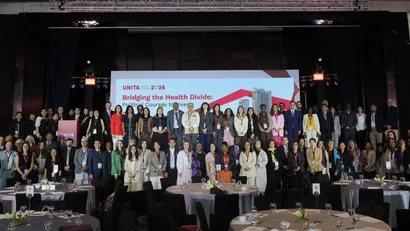
What responsibility do Germany and Europe bear for effective global health policy in times of geopolitical upheaval? This question was the focus of the Forum Globale Gesundheit, which took place for the first time in Berlin on 19 January 2026. Representatives from politics, academia, the private sector, civil society, youth organisations, foundations and international organisations came together to take stock collectively and to look ahead. The Forum, organised by the Federal Ministry of Health (BMG) and the Global Health Hub Germany (GHHG), continued the established dialogue with non-state actors while simultaneously marking an important milestone: the conclusion of the review process of the Federal Government’s Global Health Strategy.
Global Health as a Strategic Core Issue
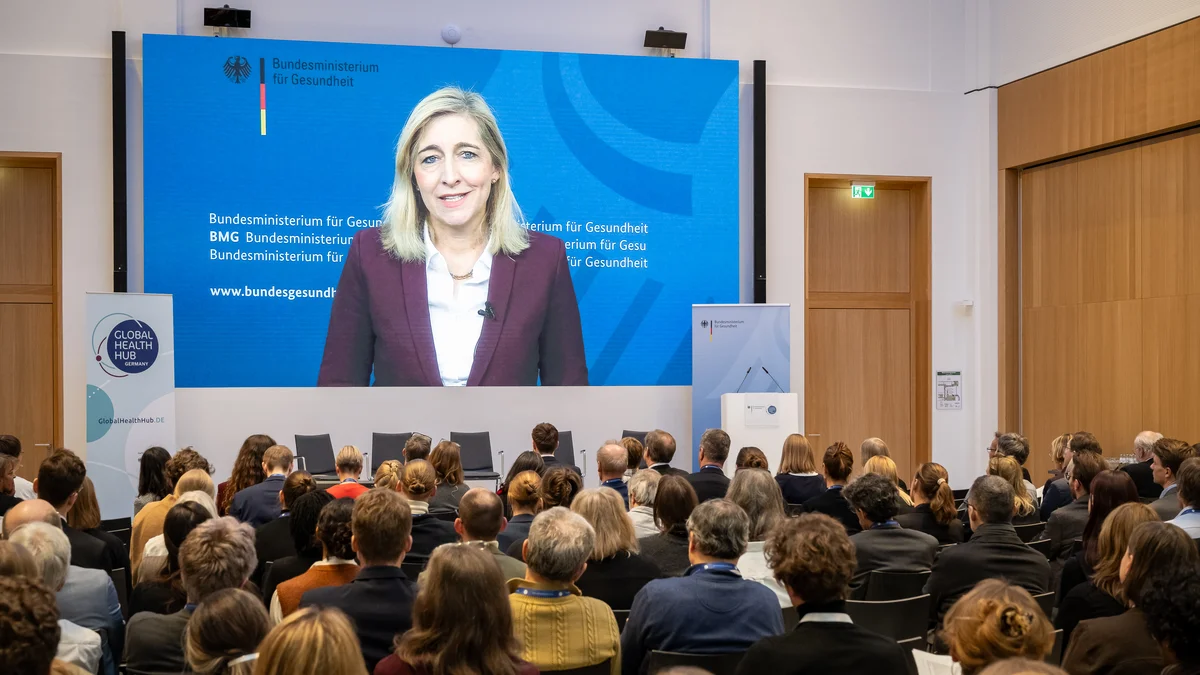
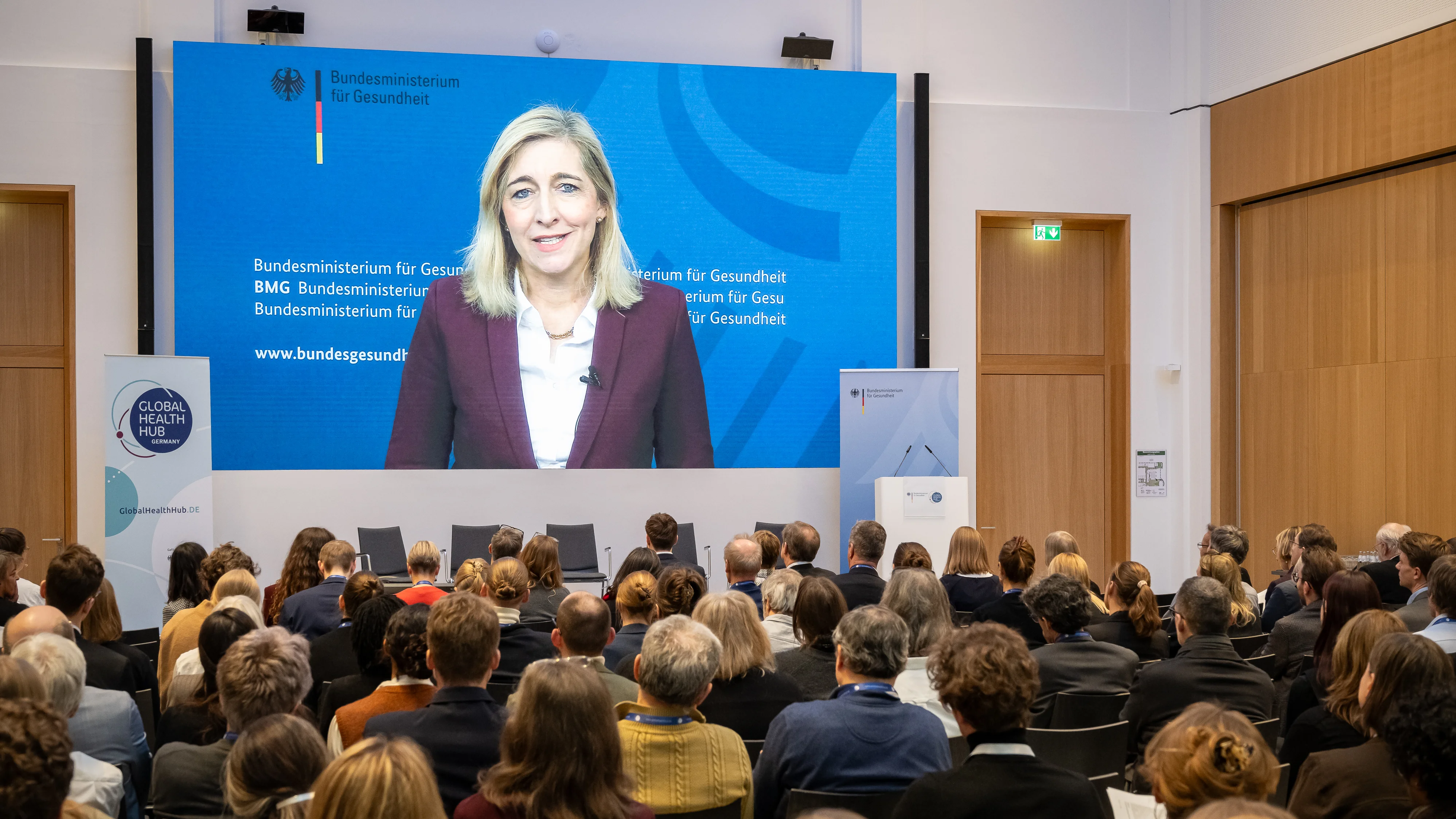
The day opened with a video message from Federal Minister of Health Nina Warken, who welcomed participants with encouraging words. She made clear that global health is no longer a marginal issue but, in the face of geopolitical crises, humanitarian emergencies, circulating disinformation and shifting global power relations, has become a strategic core issue for the Federal Government.
“Promoting global health is by no means merely a nice-to-have after the rest of the economic and security policy agenda has been addressed. It must be clear to all of us: global health is of central importance – for the well-being of our population, the cohesion of the international community and the development of the global economy.”
- Federal Minister of Health Nina Warken
With her appeal, the Minister underlined the importance of multilateralism, cross-sectoral cooperation and a stronger anchoring of global health in international decision-making processes, including beyond the health sector.
Conclusion of the Review Process
This course was reaffirmed by State Secretary Katja Kohfeld with the presentation of the midterm review of the Global Health Strategy, the central document of the event. The review confirmed the continued relevance of existing priorities while sharpening the strategic focus with eight priority areas for the period 2025–2030:
Health promotion and prevention
Combating infectious and non-communicable diseases, including the promotion of mental health
Climate-resilient and climate-neutral health systems
Strengthening health financing systems and local production in partner countries
Strengthening the German health economy
Strengthening pandemic prevention, preparedness and response
Research and innovation
At the same time, State Secretary Kohfeld emphasised that global health must increasingly be thought of in European terms. The “Health in All Policies” approach and a stronger role for the EU are key prerequisites in this regard.
Shaping the Future Together: Global Health Futures Lab
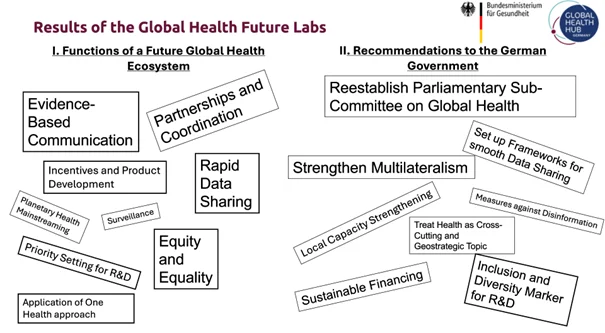
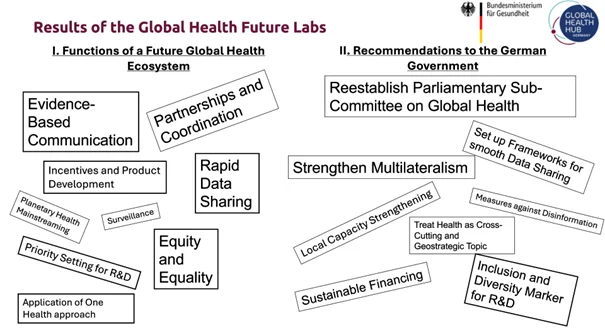
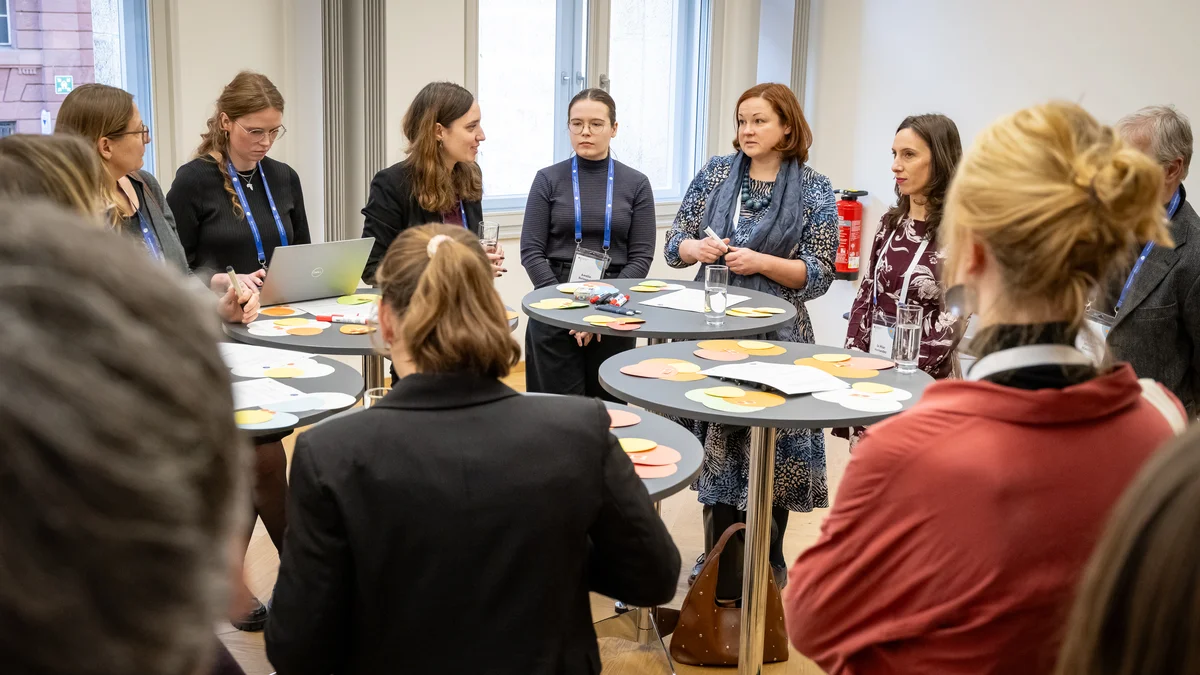
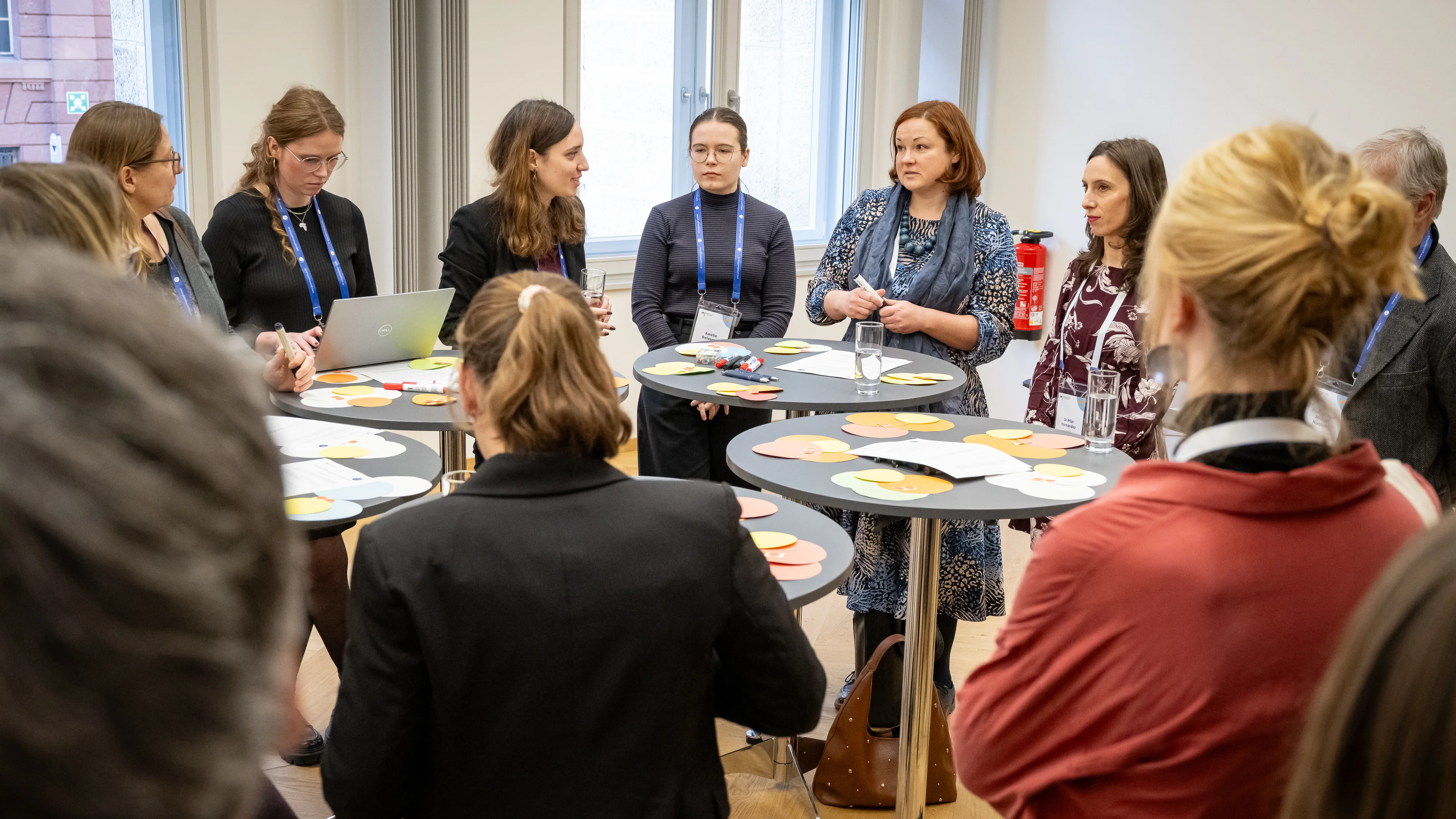
A particular highlight of the day was the interactive Global Health Futures Lab. Working in cross-sectoral teams, participants addressed three priority areas: research and innovation, Pandemic Prevention, Preparedness and Response (PPPR), and climate-resilient and climate-adapted health systems. With high levels of motivation and active participation, key functions of a future-oriented global health architecture were identified and concrete recommendations for action for the Federal Government were developed.
The European Perspective in Focus
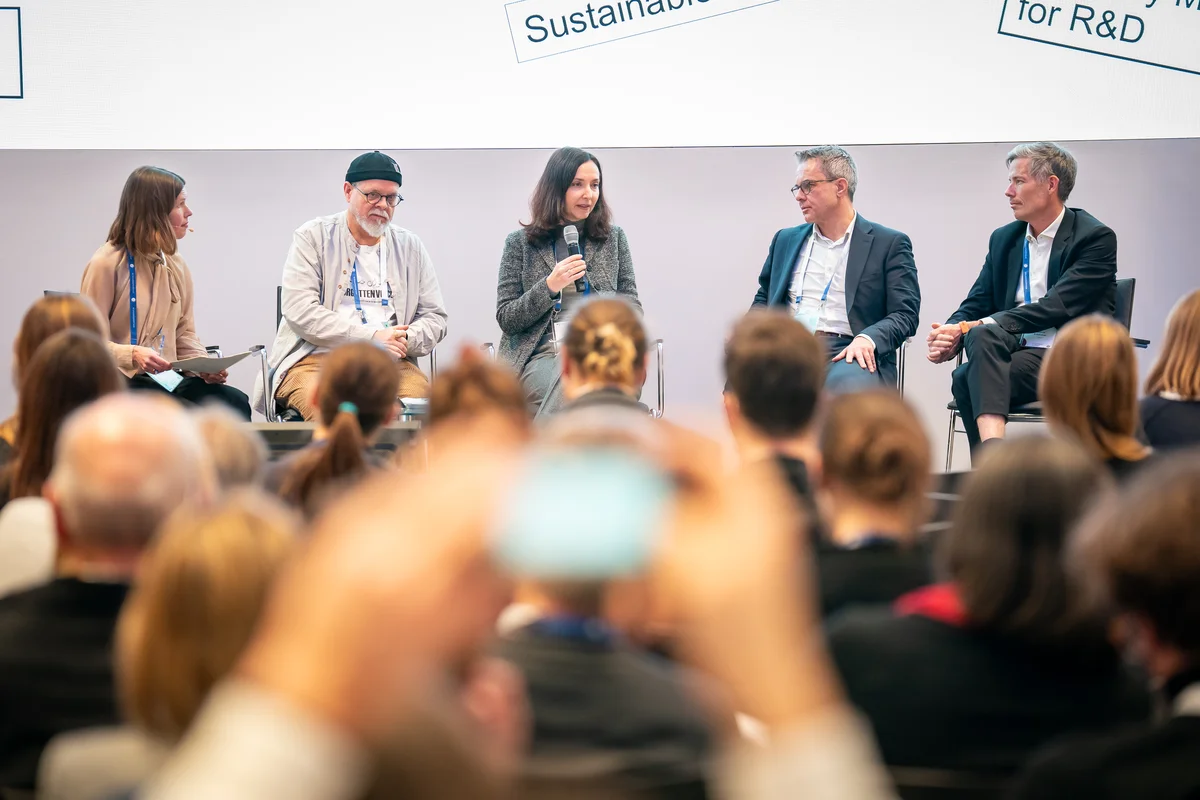
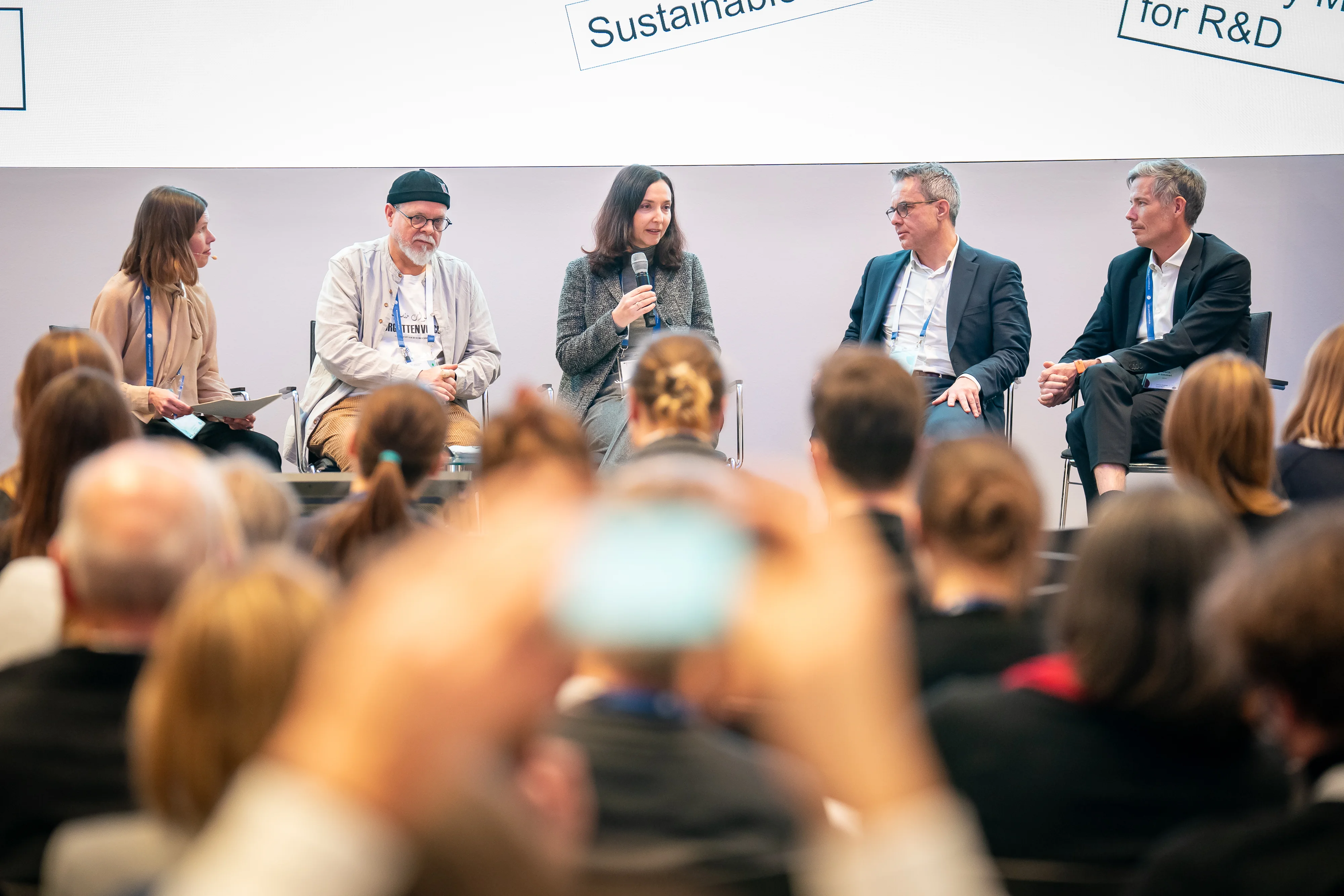
In the afternoon, a brief report by Lisa Heinrich on the outcomes of the Wellcome Trust’s regional dialogues on global health reform, with focus on Europe broadened the discussion to the European level. Building on the results of the Futures Lab, senior representatives from EU institutions, the Federal Government, academia and civil society then discussed the role the EU should play in the global health ecosystem of the future. The panel discussion was moderated by Katri Bertram (Senior Expert in Global Health) and featured Florina Telea (European Commission), Björn Kümmel (Federal Ministry of Health), Prof. Dr Dr Till Bärnighausen (Heidelberg Institute for Global Health) and Marwin Meier (World Vision Germany e.V.).
The panel discussion and the exchange with the audience made one thing particularly clear: strong European engagement and a firm commitment to multilateralism are more important than ever in light of ongoing global transformations. There was also consensus that political commitment, strategic coherence and visibility are crucial in translating European contributions into tangible impact. A stronger EU leadership role, with a unified voice and clearly aligned objectives, was highlighted as central to effective global health policy. The planned EU initiative on “Global Health Resilience” offers particular potential in this regard. Sustainable financing, a clear division of responsibilities among Member States and thematic leadership roles can strengthen the coherence and effectiveness of European contributions. In addition, Europe’s potential was emphasised as a reliable partner and bridge-builder, fostering partnership-based cooperation on equal footing with Africa, Asia and Latin America.
A Shared Outlook
The Forum concluded with closing remarks from Paul Zubeil, Head of Division for European and International Health Policy at the Federal Ministry of Health. He emphasised that leadership in global health above all requires clarity and reliability. A common European voice is essential in actively shaping global health architecture. He also highlighted the importance of the Forum as a participatory space for incorporating the expertise and perspectives of non-state actors into the strategy process, and at the same time underlined the recommendations for action from the Futures Lab, which are to feed into the work of the Federal Government.
The Forum Globale Gesundheit 2026 proved to be a resounding success and demonstrated the value of structured dialogue. Close networking between state and non-state actors, especially in challenging times, sends a strong signal of shared responsibility and a collective commitment to shaping future-proof global health policy in Germany, Europe, and worldwide.
Related Articles