Containing the Next Outbreak Part 2: RKI on Bird Flu and Pandemic Preparedness
An interview with the Robert Koch Institute (RKI) on bird flu, monitoring the risk of infection between humans and animals, and the role of the IHR in pandemic preparedness.
As the world witnesses a resurgence of bird flu (avian influenza), the current situation reminds us how closely human, animal, and environmental health are intertwined. The virus is spreading across continents and species, and while human infections have been detected, scientists have not yet found evidence of person-to-person transmission, though the risk continues to evolve. Recent analyses show that the H5N1 strain is becoming more adept at spreading between cows, with mutations linked to improved replication in cells lining the airways of both cattle and humans. As evolutionary virologist Daniel Goldhill notes, these changes mark “a first stepping stone for the virus” and raise the risk of a jump to humans.
Against this backdrop, and following the recent Bundestag Health Committee hearing on the International Health Regulations (IHR), we spoke with the RKI about monitoring and surveillance, the growing threat at the animal–human interface, and how the revised IHR can help prevent the next pandemic before it starts.
Many people in Germany are concerned about the recent outbreaks among cranes and on chicken farms. Recent cases of infection in Mexico and Cambodia, as well as studies showing that H9N2 and new H5N1 variants are adapting to mammalian and human cells, illustrate that avian influenza viruses continue to cross species barriers. How does the RKI assess the current risk that these evolving virus variants pose to human health?
After decades of regular outbreaks among wild birds and domestic poultry, primarily in Asia, influenza A(H5N1) developed a new dynamic following an exchange of the surface protein neuraminidase N1 (reassortment). This led to global circulation and also affected new host species and geographical areas that had not previously been affected. For this reason, the subtype A(H5N1) in particular has been associated with concerns about triggering a new pandemic.
However, although there have been devastating effects on colonies of wild birds and marine mammals as well as in livestock farms, most cases in mammals do not appear to have led to transmission to other hosts and only isolated cases of zoonotic transmission to humans have been reported. Where transmission to humans has occurred, it has mainly been due to very close contact with infected animals, their excrement or raw products, usually without wearing protective clothing or adequate wear of protective clothing.
Despite mutations associated with adaptation to mammals, the virus continues to have a binding preference for avian receptors. This means that close contact has led to isolated, predictable transmissions to humans. However, sustained human-to-human transmission has not been observed to date – neither for influenza A(H5N1) nor for influenza A(H9N2).
While the overall case fatality rate for human cases of zoonotic disease with A(H5N1) is approximately 45% when all cases since 2003 are taken into account, recent cases in the USA show only isolated severe cases (tending to be mild with conjunctivitis and flu-like symptoms). The latter has also been observed for human diseases caused by A(H9N2). Studies related to the A(H5N1) outbreak among dairy cows in the USA also suggest that mild/asymptomatic cases are more common than previously observed. Accordingly, the RKI, in line with the WHO and the ECDC, assesses the risk of transmission to the general population as low and the risk in a professional context as low to moderate.
In light of the spread of H5N1 among mammals, including dairy cattle in the United States, what measures are being taken in Germany to ensure early detection of potential zoonotic transmission to humans as well as an appropriate response?
Cooperation between the veterinary and human medicine sectors plays a key role in the early detection of outbreaks and suspected cases among humans. The frequent outbreaks of influenza in livestock herds in particular underscore the need for One Health approaches and cross-sector communication and cooperation. In order to ensure an early response, mutual exchange and contact should begin as soon as an outbreak occurs in livestock farms and exposed persons are identified, rather than waiting until symptoms appear in these exposed persons (i.e. possible suspected cases).
If there are exposed persons in connection with outbreaks, e.g. in livestock farms, monitoring for 10 to 14 days is recommended, during which attention should be paid not only to respiratory symptoms but also to non-specific symptoms (including conjunctivitis, malaise, headaches). In these cases, appropriate laboratory diagnostics should always be initiated at a low threshold. More detailed information on this can be found on the RKI website on zoonotic influenza.
On the other hand, it is possible that people who have been exposed to infected poultry or dead wild birds, for example, may also visit their GP or hospital. In such cases, these non-specific symptoms, which may also be indicative of other respiratory diseases in a differential diagnosis, can make it difficult to establish a clear diagnosis and classification. Therefore, medical practices and clinics in the vicinity of outbreak areas in particular should be made aware of this and ask about possible exposure as part of the medical history, initiate appropriate laboratory diagnostics and report any abnormal findings.
In this context, the RKI has published a flow chart for the clarification of suspected cases as a guide for the medical profession.
The German Bundestag's Health Committee recently discussed amendments to the International Health Regulations (IHR) aimed at strengthening pandemic preparedness. How does the RKI use the IHR to ensure the prevention of further spread of zoonotic threats such as avian influenza?
The IHR form the basis in international law for international protection against epidemics and pandemics. The most important function of the IHR is to identify, report and respond at an early stage to events that could develop into a public health emergency of international concern, such as the COVID-19 pandemic. In addition to binding obligations, such as the requirement for national core capacities for surveillance and crisis response, the IHR also contain a number of action-oriented recommendations. The WHO supports and monitors the implementation of the IHR. Germany reports annually to the WHO on the status of implementation of the IHR and also voluntarily has its capacities reviewed by a team of experts assembled by the WHO. The next of these so-called Joint External Evaluations (JEE) in Germany is planned for 2026.
At the same time, the RKI, among others, makes its expertise available to other countries for the evaluation and improvement of outbreak prevention and preparedness capabilities, so that threats can be identified and combated directly at source before they spread worldwide.
Outbreaks of avian influenza occur in animals before they spread to humans. How does the RKI work with the FLI and other institutions to establish a practical One Health surveillance and response system in Germany?
The phase of zoonotic transmission from animals to humans, with its sporadic occurrences, represents a comparatively small part of the pandemic cycle, but one that is highly relevant to the overall situation due to the possibility of adaptation to humans. The aim is therefore to take preventive action at this animal-human interface at an early stage. To this end, intersectoral cooperation between the veterinary and human sides is essential.
At national level, this cooperation has already been taking place for many years in a close and collegial manner between the RKI and the FLI at various levels, e.g. within the framework of national and international networks, committees, projects and mutual consultation. However, this intersectoral cooperation should also be implemented and expanded at the local and regional levels. To strengthen this, the RKI and FLI have published a joint guide on intersectoral cooperation in (suspected) cases of avian influenza in animals for coordinated One Health management. This also reflects the relevant international recommendations.
The amendments to the IHR require robust surveillance and equitable access to countermeasures. What are the key advantages of an instrument such as the IHR in preventing and building resilience to new disease outbreaks?
Key changes to the IHR include improved transparency in unclear outbreak situations, particularly with regard to severe acute respiratory diseases, and regulations for fairer access to health products such as vaccines. The first change supports the early detection of outbreaks caused by novel pathogens that have a particularly drastic pandemic potential due to their airborne transmissibility. The second change supports the availability of medical countermeasures worldwide, which, among other things, helps to combat disease outbreaks in places where these measures cannot usually be procured in sufficient quantities. This makes it easier to prevent the resurgence of pandemics worldwide.
The implementation of the internationally binding IHR will be supported in future by an annual review meeting. Although international health law cannot be enforced against the will of states, it sets a standard for good practice and thus improves the data available in many parts of the world on events that could develop into an international health emergency and the countermeasures taken. For a country with strong international ties such as Germany, this is particularly important for protecting the health of the population.
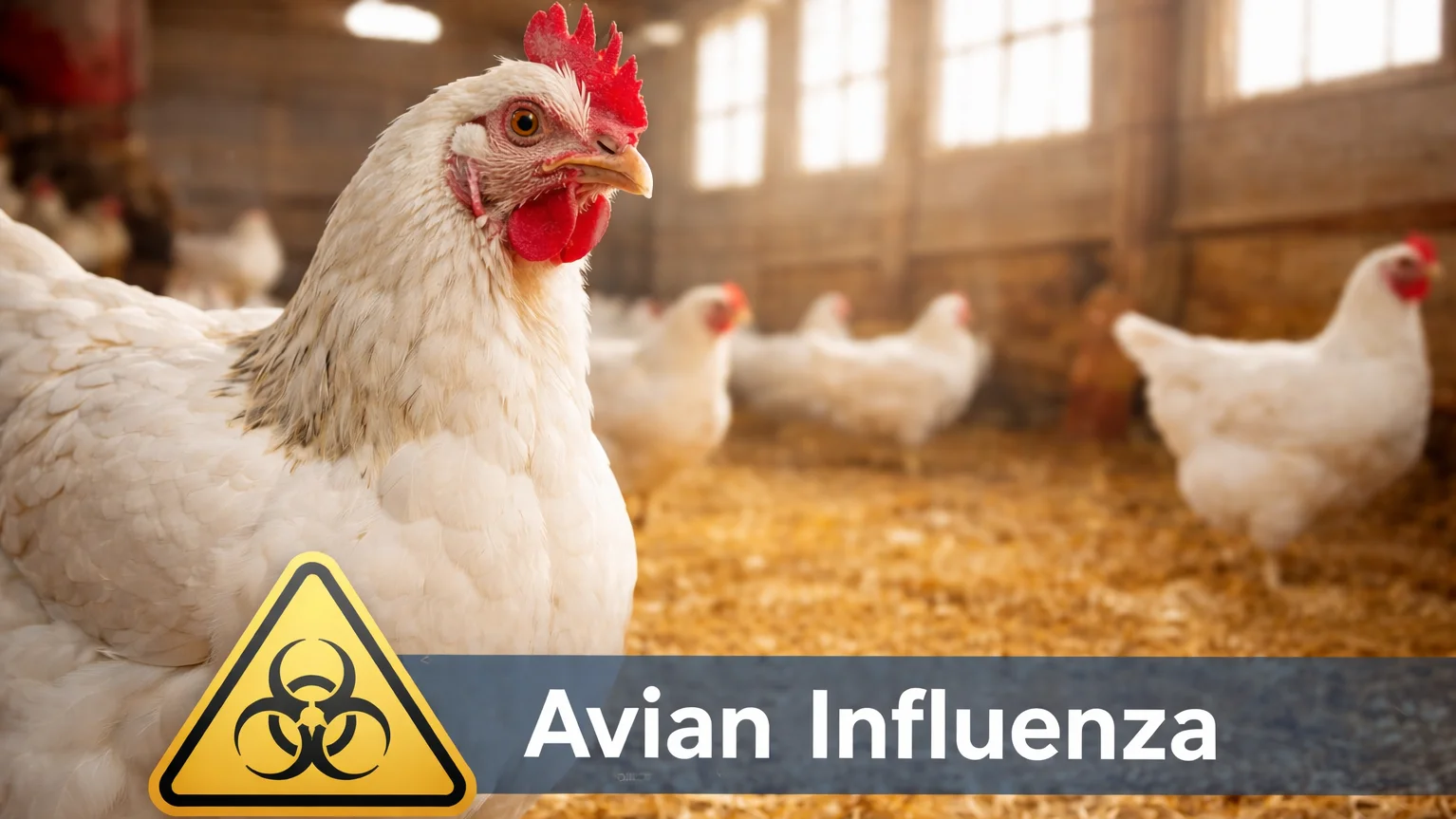
Image created with AI.
Related Articles
![[Translate to English:] Der Bundestag, das WHO-Emblem und eine Wissenschaftlerin im Labor – sie symbolisieren Deutschlands Rolle in globaler Gesundheit und Pandemievorbereitung.](/fileadmin/_processed_/d/0/csm_Anhoerung_Artikel_Titelbild_6a4f3751b5.webp)
![[Translate to English:]](/fileadmin/_processed_/1/1/csm_20251215_AvianInfluenzaAI_4b4f25def7.webp "[Translate to English:]")