A Seat at the Table? Youth Delegates at the WHA
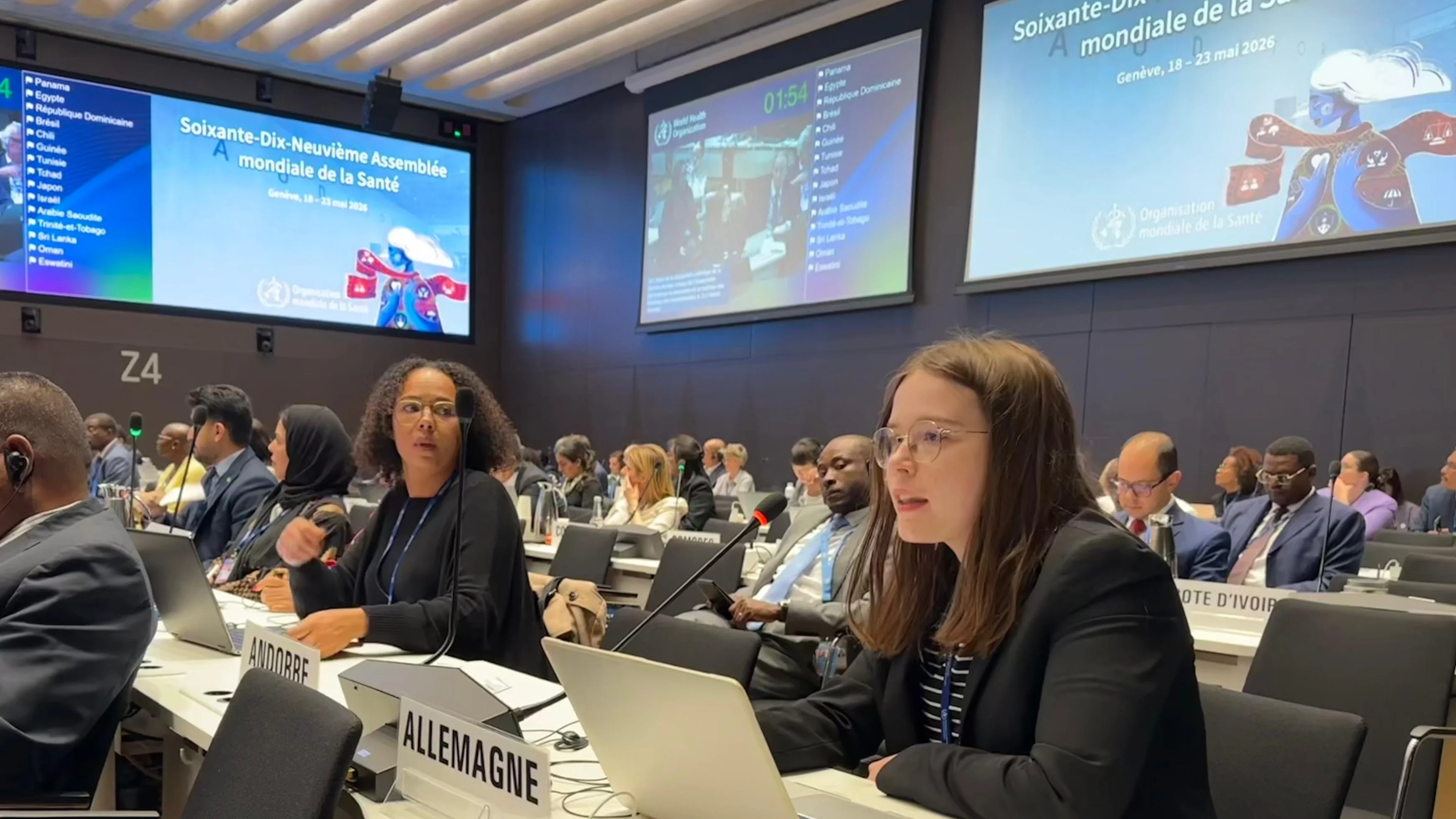
From the Youth Booth to the plenary floor: how young people shaped WHA79 and why 90% of the world’s youth were barely represented
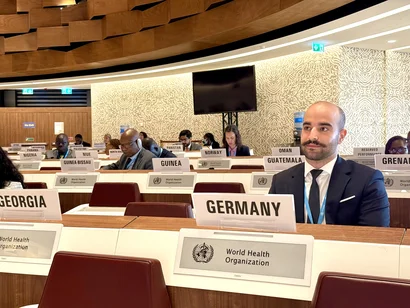
"Muchas Gracias, Alemania, und ich sage: Herzlich Willkommen! ¡Bienvenida!" – these were the first words of the Spanish-speaking President of the Plenary after my statement. It was a kind gesture to welcome me, the German youth delegate, in my mother tongue.
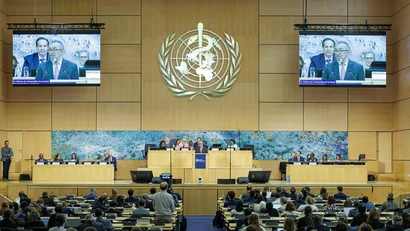
In general, most people looked favorably onto the approximately 25 youth delegates I had the opportunity to meet in Geneva. Delegations with youth delegates take pride in having them, and youth delegate programmes were mentioned in the opening address by the Swiss Federal Councillor.
A few years ago, this kind of recognition would have seemed almost utopian. A great deal has changed, and in the hope that this progress continues in the years ahead, I want to reflect not only on the major gains for youth participation at this WHA, but also on where there is still room for improvement.
A Space for Youth
One of the most visible new developments this year was undoubtedly the Youth Booth – a stand where we, as youth delegates, aimed to encourage countries without a Youth Delegate Programme to establish one.
The initiative was started by Lara Serban, the Swiss youth delegate. When we approached the WHO with the idea, they were immediately enthusiastic and provided us with tables and materials, which we were able to set up in a very central location within the WHO headquarters.
During the week of the World Health Assembly, we spoke with several dozen different delegations about youth participation and youth delegate programmes – their benefits and how they can be structured.
What we had not anticipated, however, was that the booth would become a kind of home base for many young people at the WHA. Not just us as youth delegates, but also representatives from various youth organisations would meet at the booth, eat lunch together, or sit down for a few minutes to work.
This central gathering place was not something to be taken for granted. It builds on the work we did during this year, and even more so on the work of the youth advocates who came before us. But one can only make oneself heard if the other side is at least willing to listen. At various points, I had the feeling that the WHO genuinely values the presence and contribution of young people and actively seeks to foster it.
Youth Participation – A Leadership Priority?
Another achievement for youth engagement at this WHA was the first official side event of the WHO Youth Council, which was also attended by Dr. Tedros.
It is no secret that the current Director-General of the WHO cares about youth. It was largely due to his openness to the topic that the WHO Youth Council was established in the first place. He has been a regular presence at the youth lunches over the past years. Under his leadership, support for internships at the WHO has improved – a well-known barrier in one of the most expensive cities in the world.
All of these positive developments are, of course, not solely attributable to Tedros as an individual. At the operational level as well, many people within the WHO advocate for greater youth participation and are genuinely pleased when young people show interest in their work – without this mindset, projects like the Youth Booth would never have been possible.
And yet: in times of financial difficulty, it helps when the person at the top visibly champions the inclusion of young perspectives. How much that matters, we may begin to see next year, when a new person assumes the highest office at the WHO and will need to demonstrate whether youth participation holds the same importance for them.
Global Engagement, European Representation
Where the WHO leadership has considerably less influence is on youth delegate programmes themselves. No two are alike, as the organization ultimately rests with each country's ministry of health.
The number of youth delegates varies from year to year – partly because not every country has an established programme, and sometimes young people already present through another organisation are integrated into delegations at relatively short notice. In 2026, there were around 25 youth delegates – from 16 European countries, Canada, Ethiopia, Morocco, Thailand, and the Philippines.
The discrepancy is hard to ignore. According to UNFPA, of the approximately 1.8 billion young people in the world, around 90% live in the Global South. At this WHA, they were represented – at least within the framework of youth delegate programmes – by 8 people.
Most of the world's young people do not come from Europe. Most youth delegates do. This also means that we are currently unable to adequately represent or shed light on the lived realities, concerns, and needs of up to 90% of the world's youth.
To put it plainly: we need more youth representatives from Africa, South America, and large parts of Asia. Their voices must be heard just as much as mine.
Statements, Youth Consultations – What Comes Next?
The German Youth Delegate Programme is one of the more wide-ranging ones: I am expected to engage with various youth organisations in Germany on the topic of global health and to communicate these insights to the public. It was precisely for this purpose that I was able to write and deliver a statement on behalf of Germany – which brings us back to the beginning of this article.
That statement is a privilege that by no means all youth delegates receive, and it is one of the distinguishing features of the German programme. Without a doubt, I was given one of the often-cited seats at the table – for a moment, even the one with the microphone.
Looking ahead, however, we should advocate for youth participation to evolve beyond the seat at the table. We can be part of the preparatory work of our delegations, contribute to the organisation of side events, and carry young perspectives beyond the biggest stage - as that is often where things actually move.
We invited Amélie Belosevic, current Youth Delegate of the German Federal Ministry of Health, to share her experience of attending the 79th World Health Assembly. The views expressed are her own and do not necessarily reflect those of Global Health Hub Germany.
Related Articles