Global Health in Focus: An Interview with Dr. Katja Pohlmann
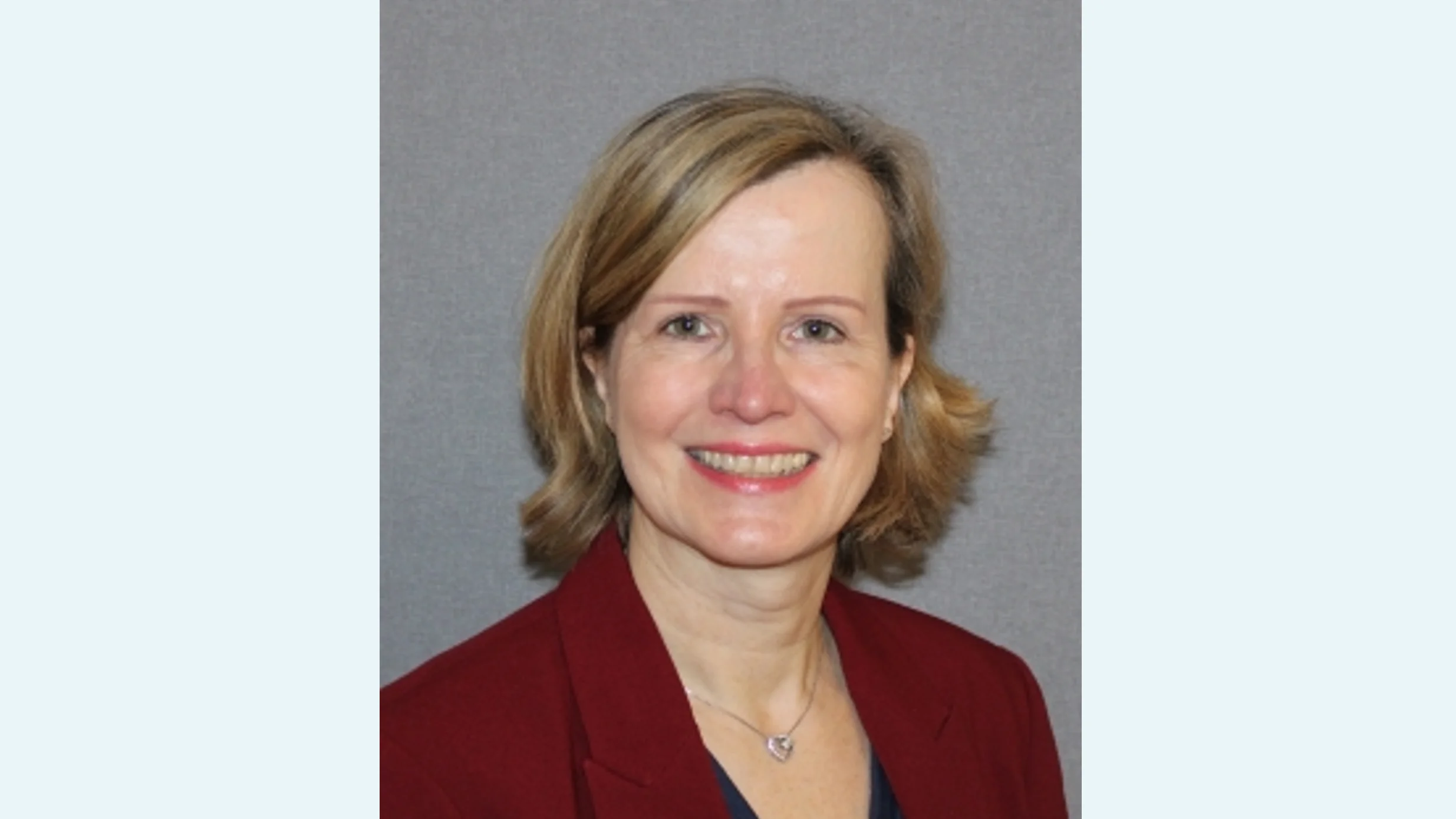
In this interview series, we speak with political decision-makers about how global health can be permanently anchored in Germany even without a dedicated subcommittee, and what role Germany should play in the future. Our guest today is Dr. Katja Pohlmann, head of the Directorate-General for Health Security, Resilience; International Affairs, and Europe at the Federal Ministry of Health.
You have held leading roles in multilateral cooperation, development, and global health at the Federal Chancellery (BKAmt), the Federal Ministry for Economic Cooperation and Development (BMZ) and now at the Federal Ministry of Health (BMG). How does your prior experience in these ministries shape your perspective and approach to global health in your new role at the BMG?
My experience across the Federal Chancellery, BMZ, and now the BMG has cemented one central lesson: global health is not a niche policy field - it is a strategic issue closely linked to a variety of thematic areas: security, economic resilience, development policy, and foreign affairs.
At the Federal Chancellery, I gained a strong appreciation for multilateral coordination and the role of the UN system in addressing global challenges. At BMZ, working on global health policy and financing, I developed a deep understanding of how closely health outcomes are linked to broader development challenges and to resilient and sustainably financed health systems. Now at BMG, my focus is more on health security, preparedness, resilience, and translating international developments into effective protection for our citizens’ health in Germany.
Taken together, these experiences have shaped my understanding that effective global health policy requires coherence across sectors and ministries, strong multilateral institutions, and long-term partnerships. They have also highlighted that a genuine Health in All Polices approach depends on close interministerial cooperation and integrated approaches.
You now lead the Directorate-General for Health Security, Resilience; International Affairs, and Europe. What do you see as the most pressing priorities for your division with regard to global health in the current geopolitical and global health landscape?
We are operating in a highly complex environment shaped by geopolitical tensions, growing pressure on multilateralism, climate-related health risks, and ongoing conflicts, including the war in Ukraine and protracted crises such as in Iran and other places – all of which have direct and indirect impacts on health systems and access to healthcare. Therefore, there is a continued need for multilateral cooperation to strengthen health system resilience and pandemic preparedness. In these challenging times, Germany remains committed to being a constructive and reliable partner in global health, keeping both national and global health interests in focus.
I see three key priorities for my Directorate-General:
First, strengthening health security and resilience: both in Germany, within Europe, and globally. This includes pandemic prevention, surveillance, preparedness, and response capacities. Our teams, for example, support partners in the current Ebola outbreak in central Africa. The Ministry of Health is also a strategic partner of the WHO Hub for Pandemic and Epidemic Intelligence in Berlin, which strengthens core capabilities of WHO and Germany in data infrastructure, pathogen surveillance and international collaboration.
Second, reinforcing effective multilateral cooperation. No country can address transnational health threats alone. We therefore remain strongly committed to contributing to a robust and sustainable WHO, the implementation of the International Health Regulations, and efforts to make the global health architecture more effective and coherent.
And third, strengthening the European dimension of global health. The EU has become an important health actor in recent years, and we need to further improve coordination, strategic alignment, and Europe’s ability to act collectively. Within the European Health Union, we advance central issues such as data sharing within the European Health Data Space, accessible and affordable medicines, or health security. The EU Global Health Resilience Initiative will be another vehicle to strategically advance European values and ensure coherence and coordination among European allies.
Diseases and health threats do not stop at borders. How does your division incorporate global health developments and multilateral initiatives, especially on pandemic prevention, preparedness, and response (PPPR), into measures that strengthen the security and resilience of the German public health system?
The recent Ebola outbreak in the Democratic Republic of the Congo and Uganda serves as a stark reminder of the importance of rapid diagnosis and detection, international coordination, and resilient, pandemic-prepared health systems.
Our Directorate-General works to systematically integrate global health developments and multilateral processes on pandemic prevention, preparedness, and response (PPPR) into Germany’s national resilience architecture. This includes strengthening early warning systems, surveillance, laboratory capacity, cross-border information sharing, and preparedness planning.
Germany also contributes internationally to strengthening preparedness capacities and global health security. Through the BMG’s Global Health Protection Programme, for example, Germany supports partner countries in building strong health systems and increasing pandemic preparedness capacities while also contributing highly specialised German public health expertise such as from the Robert-Koch-Institute. Likewise, the WHO Hub for Pandemic and Epidemic Intelligence in Berlin – a strategic partner of the Federal Ministry of Health - contributes to improving data-driven early detection and prevention of health threats — benefiting both national and global preparedness.
At the multilateral level, Germany remains actively engaged in ongoing PPPR processes, including the challenging but important negotiations on the Pathogen Access and Benefit Sharing (PABS) system under the Pandemic Agreement. Common standards, transparency, data sharing, and reliable cooperation mechanisms are essential to strengthening preparedness worldwide.
In light of geopolitical tensions and shifts in the global health landscape, calls for stronger European leadership in global health have grown. How can Germany help shape a more coherent and influential EU approach?
In a time of geopolitical uncertainty and multiple global health challenges, there is a clear need for a more coherent European approach to global health.
The European Union has strong assets in this area: from robust health systems to significant innovation and research capacities, or long-standing experience in international cooperation. This gives Europe a solid basis to play a leading role globally.
At the same time, making full use of this potential requires a shared understanding of priorities and the EU’s added value, as well as sustained political commitment and adequate financing. The newly launched EU Global Health Resilience Initative by the EU Commission can serve as such a mechanism: a strategic platform to strengthen cohesion and cooperation between Member States on financing mechanisms, strategic priorities and health emergency capacities. Germany is a central advocate for multilateralism and strategic convener in the EU. We can contribute by backing the European comparative advantage, helping to strengthen coordination across relevant policy areas and by channelling a more unified European voice in global health discussions, including in multilateral fora such as the WHO.
Overall, Germany can play an important bridging role within the EU – helping to turn shared ambitions into unified European action in global health.
The 79th World Health Assembly has just concluded. Looking at the outcomes, what stands out to you as particularly impactful and why?
This year’s WHA was of particular strategic importance and geopolitical challenge. In times when some countries question their engagement with WHO, Germany wanted to send a strong signal that we remain constructive and committed partners to WHO, to multilateralism and to crafting joint solutions for the many challenges facing global health. To contribute to a well-functioning and adequately financed World Health Organization, Minister Warken announced an additional 25 million Euro to WHO in 2026, with 1 million Euros dedicated to one of our core strategic priorities – the global fight against antimicrobial resistance (AMR).
During this year’s Assembly, Member States adopted more than 20 decisions and 13 resolutions on various health issues including stroke, liver disease, AMR, emergency care as well as the ethical and sustainable recruitment of health personnel – a resolution put forward by Germany in collaboration with international partners! The Assembly also covered a range of political and administrative issues.
Of these, we particularly support the Assembly’s adoption of a joint process on the global health architecture reform. For Germany, it is important that this reform strengthens all stakeholders’ ability – include the WHO’s as the central pillar - to refocus on their core mandates and concentrate on where each stakeholder respectively provides the greatest added value to the architecture.
Another particularly important aspect was the continued commitment to strengthening the global architecture for pandemic prevention, preparedness, and response. Even in a challenging geopolitical environment, there remains a broad recognition that international cooperation on health security is indispensable.
Global health is inherently cross-sectoral. As the Global Health Hub Germany marks seven years of connecting over 2,000 members across sectors, what role do you see for the Hub in the evolving geopolitical and global health landscape, and what role can the Hub play in supporting your Directorate-General’s work?
One of the Hub’s unique features is its ability to bring together actors from different sectors, disciplines, and stakeholder groups to facilitate dialogue. In my previous role, I represented the BMZ on the Hub’s steering committee and was able to witness this collaborative approach first-hand.
Importantly, the results of this exchange provide important input to the BMG and the political sphere more broadly, for example through exchange formats, policy briefs, and the consolidation of non-state perspectives on key international processes such as UN high-level meetings.
For our Directorate-General, this is particularly valuable because global health policy increasingly requires early conversations with a broad range of stakeholders, rapid access to cross-sectoral expertise, and a structured way to integrate non-governmental perspectives. The Hub supports exactly this interface function between policy, practice, and society.
Especially in the current challenging times, we greatly value its contribution to building strategic networks, strengthening coherence in global health engagement and helping to keep global health on the German political agenda.
And finally, a more personal question: what continues to motivate your personal commitment to global health and what advice would you give to someone just entering the field in these challenging times?
I continue to be motivated by the realization that health connects people across borders, sectors, and societies – a reality that has become even more evident since the COVID-19 pandemic. Few policy areas illustrate so clearly how interdependent our world has become and how closely national and global health are linked.
This is also why international cooperation in global health can deliver such tangible benefits for people’s lives in Germany and abroad. My earlier experience in multilateral cooperation has reinforced this conviction, showing how much more effective responses become when countries and institutions work together in a coordinated and sustained way. This is particularly important today, when trust in scientific institutions and evidence-based medicine is increasingly under pressure, both domestically and internationally. I am motivated by the challenge of rebuilding trust in science and reinforcing evidence-based institutions such as WHO I hope to contribute to strengthening effective international cooperation so that German citizens, as well as our neighbours in Europe and around the world, can benefit from reliable healthcare, effective treatment, and long-term health outcomes.
For those entering the field, I would encourage openness, interdisciplinarity, and persistence. Global health today requires engagement across disciplines - from medicine and public health to geopolitics, climate, and economics.
Related Articles
![[Translate to English:]](/fileadmin/_processed_/f/2/csm_Interview_Global_Health_Hub_Germany__Pressefoto__84369d8c4b.webp "[Translate to English:]")