Urban Health: City Diagnoses - New Policy Brief

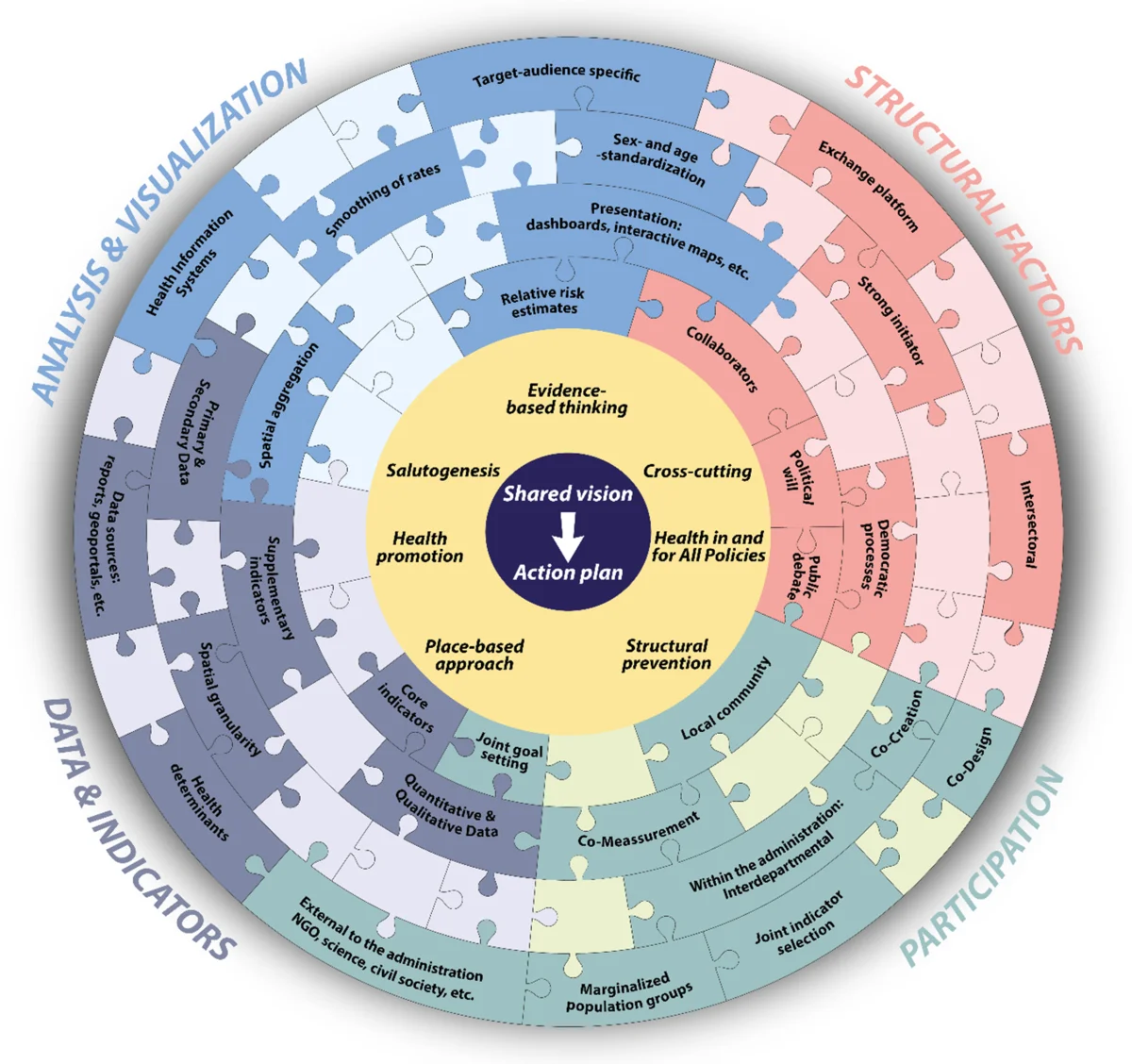
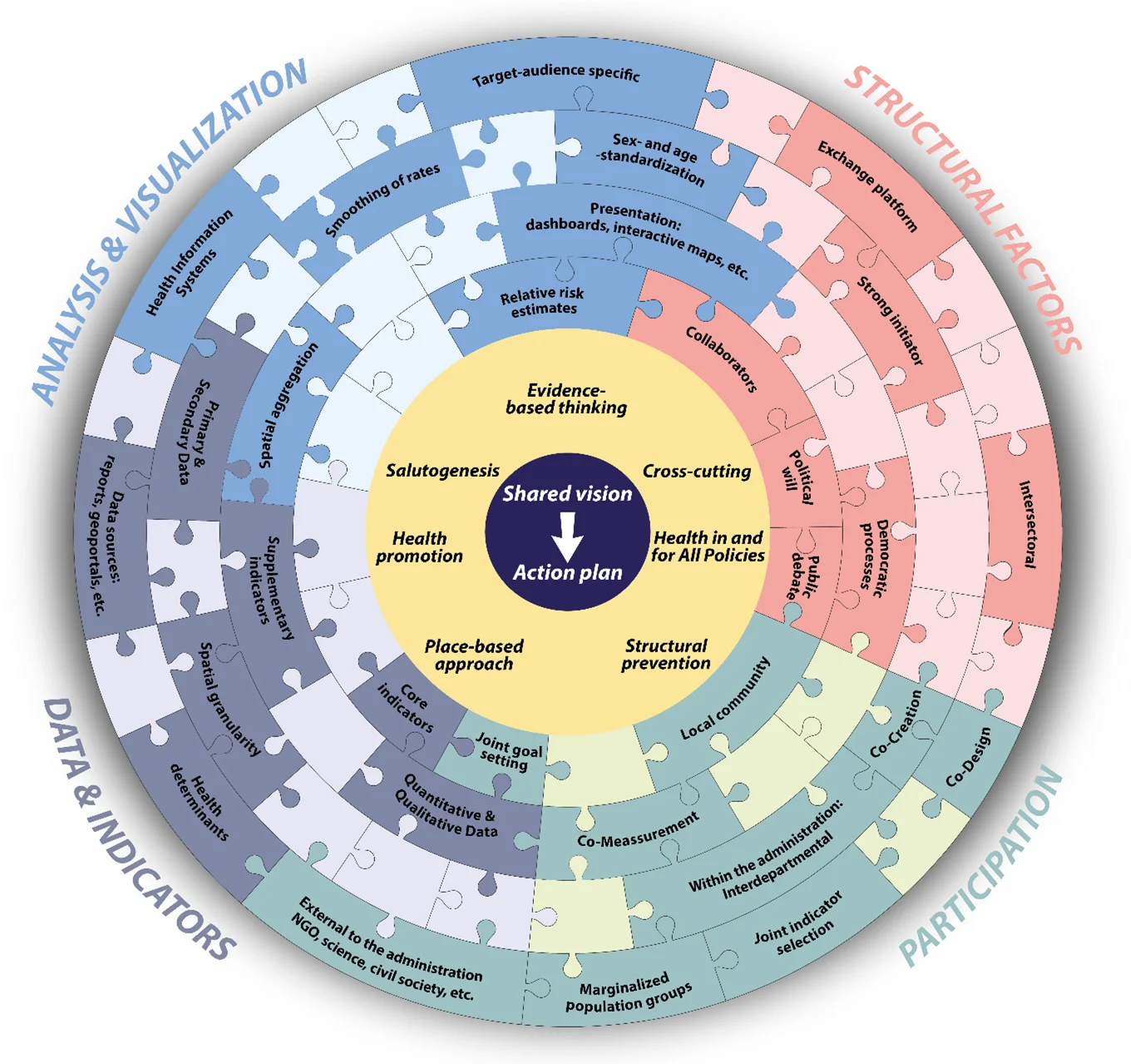
The Hub Community on “Global Urban Health” has released a new community paper developed over a two-year collaborative process with experts, providing technical expertise and recommendations across the four dimensions of city diagnosis: Structural Factors, Participation, Data & Indicators, and Analysis & Visualization.
Background of this Paper
The Global Urban Health Community focuses on the urban determinants of health. Recognizing cities as opportunity spaces with substantial potential to improve human health and wellbeing, their vision is to transform urban spaces into sustainable, health-promoting environments. A central recommendation of the first policy brief on urban health was the need for “City Diagnoses” – spatially disaggregated assessments identifying context-specific intervention opportunities within individual urban settings.
This community paper is the result of a lecture series conducted in 2024. The series pursued two primary objectives: (i) identifying instruments and initiatives that that capture small-scale, integrative, and participatory health-relevant data in urban contexts, and (ii) synthesizing practical insights regarding the implementation of diverse diagnostic tools and initiatives, including challenges, opportunities, and lessons learned.
Key messages
City Diagnoses are comprehensive processes that aim to shape pathways to healthier urban futures.
Establishing a salutogenic perspective, City Diagnoses go beyond disease monitoring and include an assessment of health resources and local prevention reporting.
Guided by the principle of Health in all Policies, City Diagnoses are envisaged as a cross-cutting process. As they focus on both health outcomes and determinants, they need to be based on data from different sectors.
City Diagnoses have to be conducted as an intersectoral and participatory process, including especially the most vulnerable and often hard to reach communities.
Key aspects and components of City Diagnoses